
Technical column
One-stop iPSC workflow selection: from reprogramming, expansion, gene editing and directed differentiation to 0.1–80 L suspension scale-up, 525 mL/min closed filling and ambient transport for up to 2 weeks
iPSC projects rarely stall because one step cannot be done; they stall because each step chose its own materials and the chain breaks at scale-up or clinical stage. This article walks through eight stages — reprogramming, expansion, gene editing, directed differentiation, cell characterization, process development, fill-finish and storage/transport — and the key methods and materials for each: Qkine thermostable FGF-2 and animal-free TGF β1 PLUS for pluripotency maintenance, BioLamina full-length human recombinant LN521 through cell-therapy-grade CT521, Nordmark tissue-dissociation enzymes, PBS Biotech 0.1–80 L Vertical-Wheel bioreactors, AXOL axoCells derived cells, the Sexton CT-5 filling system (up to 525 mL/min) and CellSeal cryovials, and Atelerix hydrogel that keeps cells ready to use at ambient temperature for two weeks.
Definition
Induced pluripotent stem cells (iPSCs) are obtained by reprogramming somatic cells and can self-renew and differentiate into many cell lineages; the iPSC workflow spans reprogramming, expansion, gene editing, directed differentiation, cell characterization, process development, fill-finish and storage/transport.
The most common rework in iPSC projects does not come from a step that cannot be done, but from choosing materials step by step: reprogramming, expansion and differentiation all work in the lab, and only at scale-up, filling and transport does it turn out that material grades, culture formats and the process chain do not connect. Planning for the whole workflow from the first step is what carries research results smoothly into scale-up and the clinic.
Below are the key methods and materials across eight stages, from line derivation to release.
1. Reprogramming: Giving Somatic Cells Pluripotency Again
Reprogramming is the core step that converts somatic cells into iPSCs: by introducing key transcription factors or combining small-molecule regulation, it reverses the differentiated fate of somatic cells, activates pluripotency genes and silences differentiation-related genes, so that cells regain embryonic-stem-cell-like pluripotency and self-renewal. The classic key transcription factors are Oct4, Sox2, Klf4 and c-Myc (the Yamanaka factors); later work found that factors such as Nanog and Lin28 can help improve reprogramming efficiency.
Reprogramming methods are integrating or non-integrating. Early integrating technologies such as retroviruses and lentiviruses were relatively efficient but carry a risk of genomic insertional mutagenesis, which limits clinical use. Non-integrating technologies — mRNA transfection, Sendai virus and episomal plasmid delivery — are now mainstream and avoid intended stable genomic insertion; small-molecule compounds that regulate epigenetics and signalling pathways can be combined to further reduce the use of exogenous genetic material, meeting the different needs of basic research and clinical translation. Methods differ in aneuploidy, reliability and workload[1].
2. Expansion: Design Pluripotency, Matrix, Dissociation and Scale-Up Together
iPSC maintenance usually uses defined standard media that provide suitable conditions for growth and proliferation, which directly affects growth state, differentiation potential, genomic stability and downstream experiments and applications. For hiPSCs expanded at scale for cell therapy, high-quality, reproducible and cost-effective culture is especially important.
Cytokines and growth factors: Qkine
Thermostable FGF-2 (bFGF) and TGF β1 PLUS developed and manufactured by UK-based Qkine are used for maintenance culture of iPSC pluripotency:
- Main cytokines for maintaining pluripotent stem cell pluripotency;
- Animal-free TGF β1 PLUS for enhanced pluripotency maintenance;
- Thermostable FGF-2 (bFGF) protein for optimized iPSC culture.
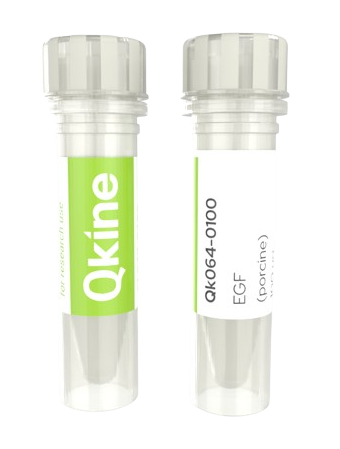
QKine cytokine vials.
Culture matrix: BioLamina full-length human recombinant laminin
Full-length human recombinant laminin substrates recreate a more physiologically relevant growth environment for in vitro culture of pluripotent stem cells, adult stem cells and tissue-specific cells, including in 3D culture systems. Sweden-based BioLamina offers a range of full-length human recombinant laminin culture matrices for 2D and 3D applications; the LN521 isoform, a key protein expressed in the natural stem cell niche, supports iPSC stemness maintenance and higher expansion efficiency. According to BioLamina, its matrices are:
- Natural, full-length human laminin;
- Chemically defined and xeno-free;
- Highly consistent from lot to lot, supporting standardization;
- Free of PLL/PLO pre-coating and ROCK inhibitor (Y-27632) requirements, with no spontaneous differentiation;
- Weekend-free, reducing workload and culture cost;
- Available from LN521 for early research to cell-therapy-grade CT521 for clinical use.
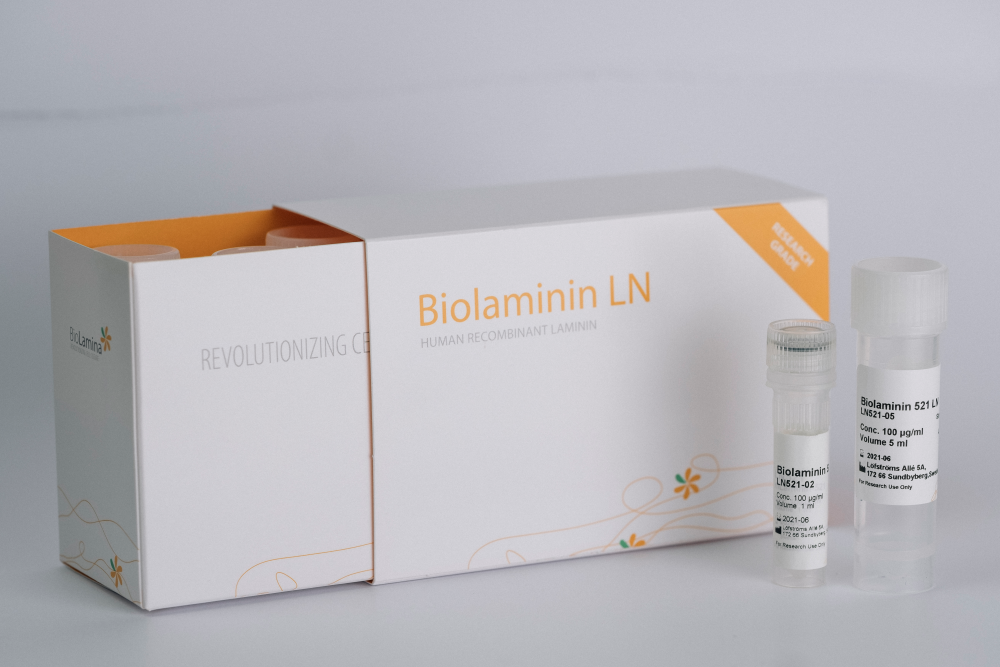
BioLamina laminin products.
Dissociation reagents: adherent passaging and spheroid dissociation
Dissociation reagents are chosen by experimental need. Adherent iPSCs are most often passaged with trypsin and/or EDTA solutions; for spheroid dissociation, products from Germany's Nordmark — which has provided complete tissue and cell dissociation solutions for more than 30 years — are a good choice because they are gentle and preserve stem cell viability and pluripotency.
Nordmark enzymes for spheroid and tissue dissociation, according to Nordmark:
- Organized by species, tissue/organ and cell type, with literature and dissociation protocols for each application;
- Collagenases and neutral proteases in different sizes, purities and activities;
- Multiple options from research grade to animal-free GMP grade, with the related GMP products filed as a DMF with FDA;
- Gentle dissociation enzyme solutions for sensitive cells, and optimized islet-specific dissociation solutions;
- Better cost-performance than other brands at the same enzyme activity.
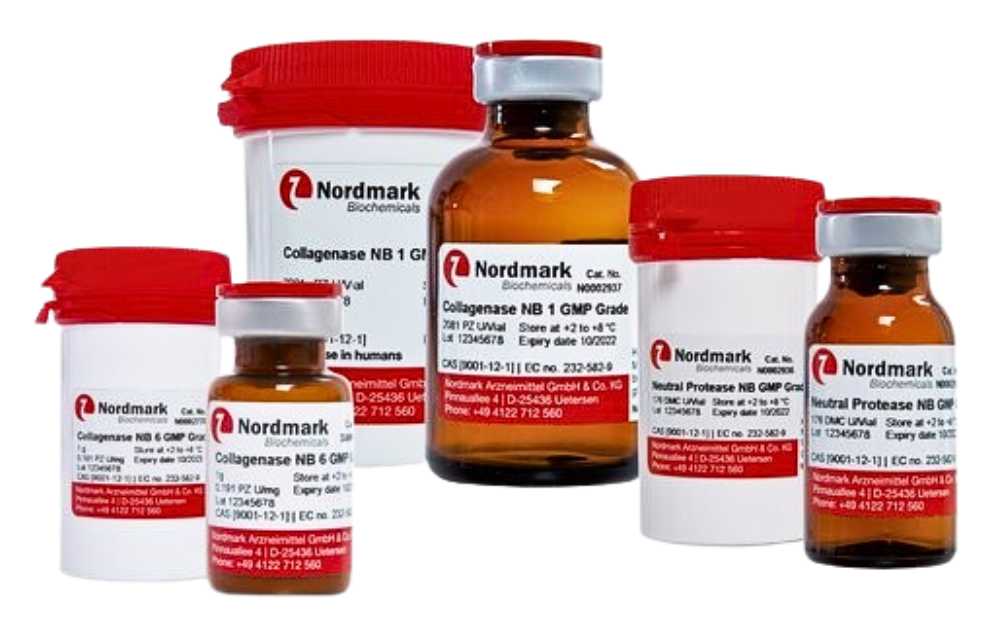
Nordmark tissue-dissociation enzyme range.
From plates to suspension: scale-up starts with a scale-down model
To meet clinical and industrial needs, large-scale production must ensure consistent quality in every hiPSC batch: phenotype, proliferation and differentiation potential must stay stable, and culture must meet GMP standards. A scalable, robust suspension bioreactor process is therefore essential for clinical hiPSC production, and it starts with process development and optimization in a scale-down bioreactor model (for PBS Biotech Vertical-Wheel bioreactors, see “Process development”).
3. Gene Editing: Customizing iPSCs for Research and Therapy
Gene editing alters the genes of iPSCs for specific research purposes or clinical applications. Common iPSC genetic engineering approaches include:
- CRISPR-Cas9 gene editing: a widely used gene-editing tool for gene knockout, insertion or modification that changes the genomic structure of iPSCs;
- Transgenic technology: introduces exogenous genes into iPSCs to express specific proteins, label cells or manipulate specific signalling pathways;
- Patient-specific mutation models: CRISPR-Cas9 or other gene-editing technologies introduce patient-specific mutations into iPSCs, helping to study the pathogenesis of specific genetic diseases and develop therapeutic strategies for them;
- Gene expression regulation: introducing specific promoters or silencing RNA (such as shRNA or siRNA) raises or lowers the expression of target genes.
4. Directed Differentiation: Turning iPSCs into the Cells You Need
Directed differentiation of iPSCs is the process of inducing them to become specific adult cell or tissue cell types. It can mimic cell-fate decisions during human development to produce cardiomyocytes, neurons, insulin-producing cells, hepatocytes and other cell types; specific culture conditions, biochemical small molecules, growth factors, signalling-pathway modulators and cytokine combinations guide stem cells toward the target cell type.
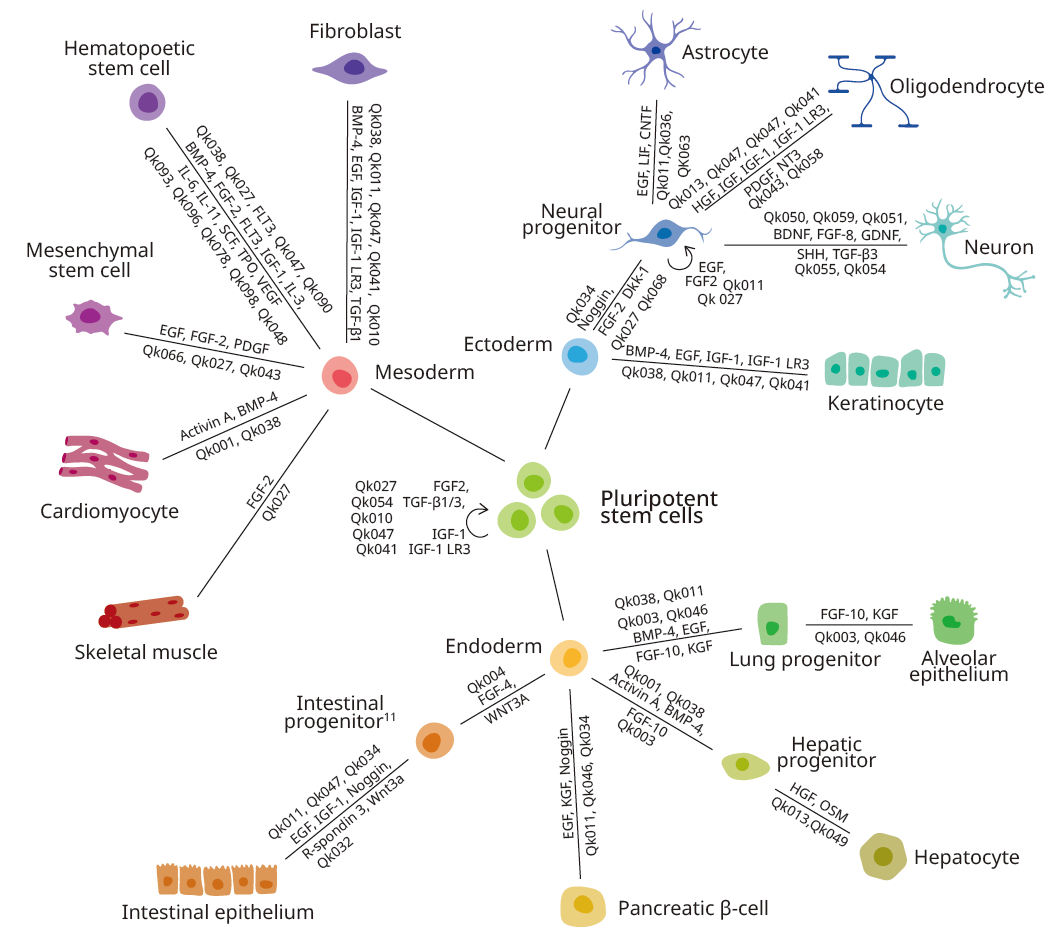
Representative lineage map of pluripotent stem cells differentiating into terminal cell types.
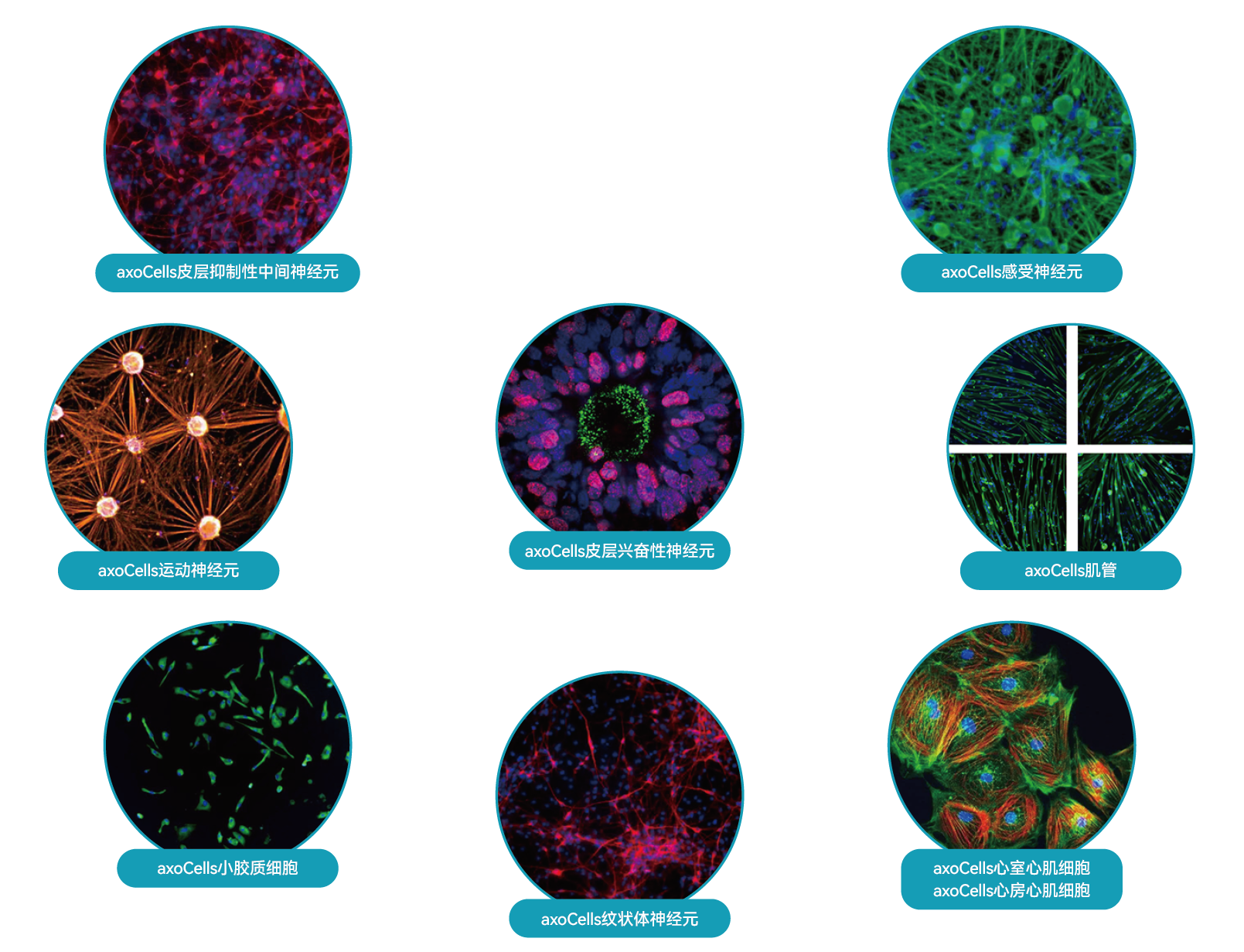
Examples of morphology and marker staining of differentiated cell types.
UK-based QKine produces high-purity, high-quality, animal-free growth factors, cytokines and other complex proteins, and supports scale-up and commercial manufacturing through bulk reservations, bulk orders, custom vialing and quality assurance (QA).
To start directly from functional cells, UK-based AXOL Bioscience develops high-quality, consistent, functional iPSC-derived axoCells in an ISO 9001:2015-certified manufacturing facility, mainly neurons, neuroinflammatory cells, cardiomyocytes and muscle cells, for building in vitro models for drug discovery and drug-safety testing. Products include cells with matching media and supplements (orderable as kits), with research applications in neuroscience (such as neurodegenerative and neuroinflammatory diseases), pain and sensation, cardiovascular and more, helping to build robust, scalable in vitro human disease models.
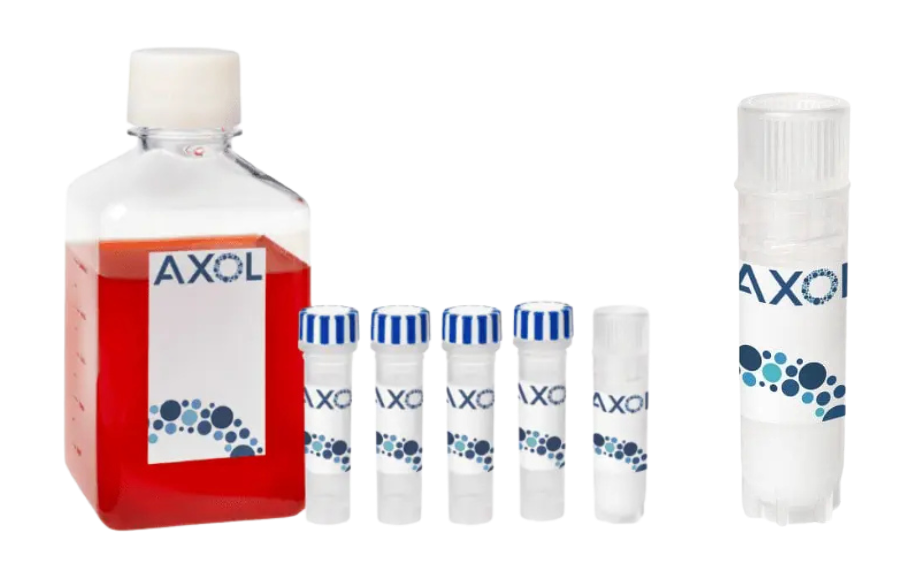
AXOL axoCells kit.
5. Cell Characterization: Confirming Stem Cell Identity and Pluripotency
Cell characterization is the comprehensive description and analysis of iPSCs in culture to determine whether the cells truly have stem cell properties and pluripotent potential. Typical assays include trilineage differentiation, human PSC functional identification, human PSC multicolour flow cytometry, human three-germ-layer immunocytochemistry and human PSC marker antibody detection.
6. Process Development: PBS Biotech Vertical-Wheel Bioreactors
Bioreactors are a core technology for industrializing cell therapies: they provide a highly controlled environment that makes large-scale cell production possible and give cell therapy and regenerative medicine a reliable production tool. From small-scale process development to large-scale clinical and commercial manufacturing, PBS Biotech Vertical-Wheel single-use bioreactors are an enabling technology for allogeneic cell therapy; according to PBS Biotech, the full bioreactor range, including product-contact materials and software, is manufactured to quality and regulatory standards that meet or exceed cGMP.
- For large-scale suspension culture of sensitive cell types such as iPSC, MSC, NK, T and islet cells;
- Vertical-Wheel drive suspends cultures effectively at low power;
- Gentle fluid dynamics reduce shear damage and favour uniform iPSC spheroids;
- 0.1 L to 80 L, from early research to clinical and commercial production;
- Traceable material lots.
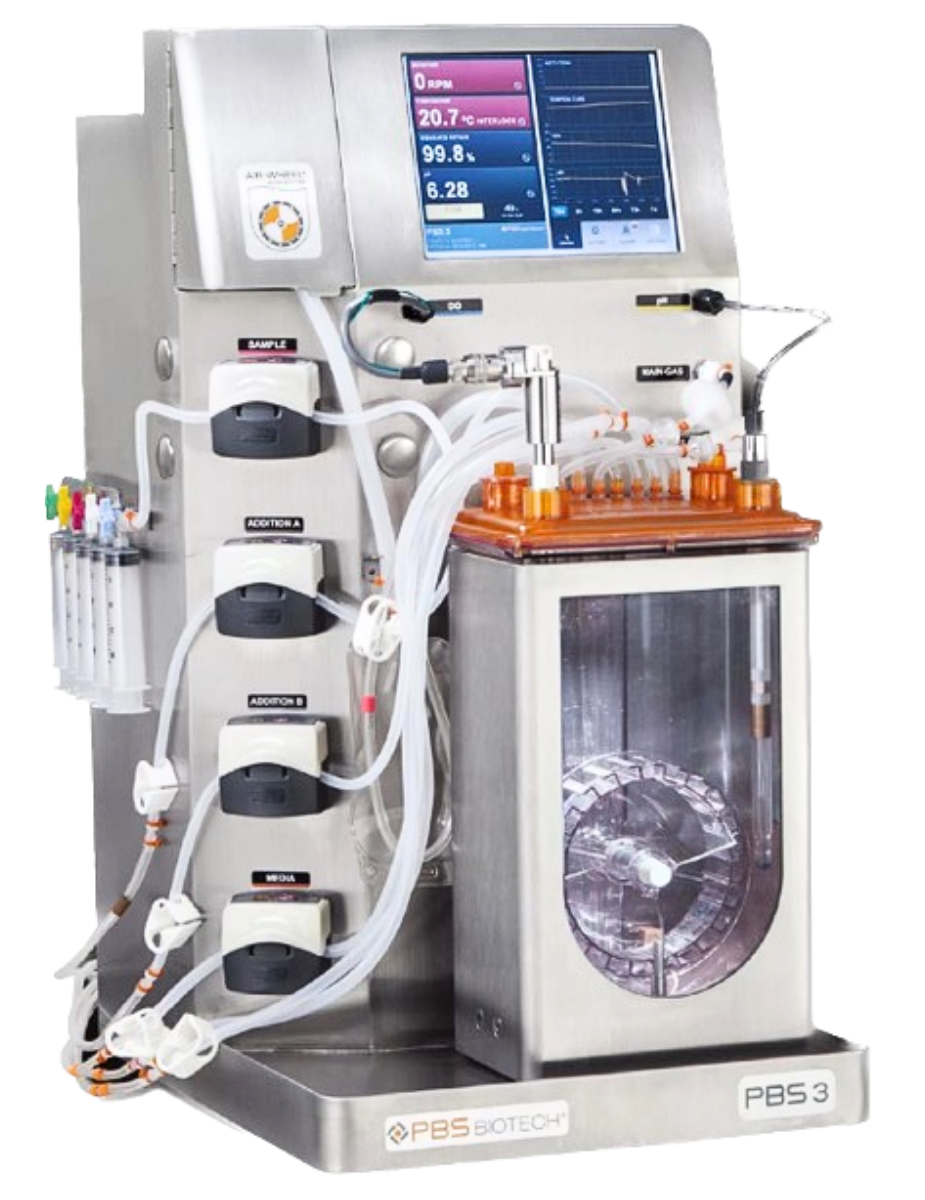
Vertical-Wheel bioreactor.
7. Fill-Finish: Sexton CT-5 and CellSeal
As China's cell and gene therapy industry develops, more and more projects are entering clinical research and product launch, and demand for formulation storage and filling keeps growing. Years ago, Sexton Biotechnologies, a subsidiary of BioLife Solutions, proposed a conceptual model for cell-therapy filling and cryopreservation; it has since developed a range of filling and storage equipment for cell-therapy formulations which, according to Sexton, enables flexible automation and scale-up of cell manufacturing, reduces product errors and labour cost, and helps clinical trials proceed smoothly and products reach the market faster.
The Sexton CT-5 cell filling system, according to Sexton:
- Dual-pump design with low-speed and high-speed pumps;
- Highly flexible filling into cryovials and cryobags;
- Designed to GMP requirements, with a high level of safety;
- Fully closed filling achievable in a Grade C laboratory;
- Filling speeds up to 525 mL/min, meeting the needs of most projects.
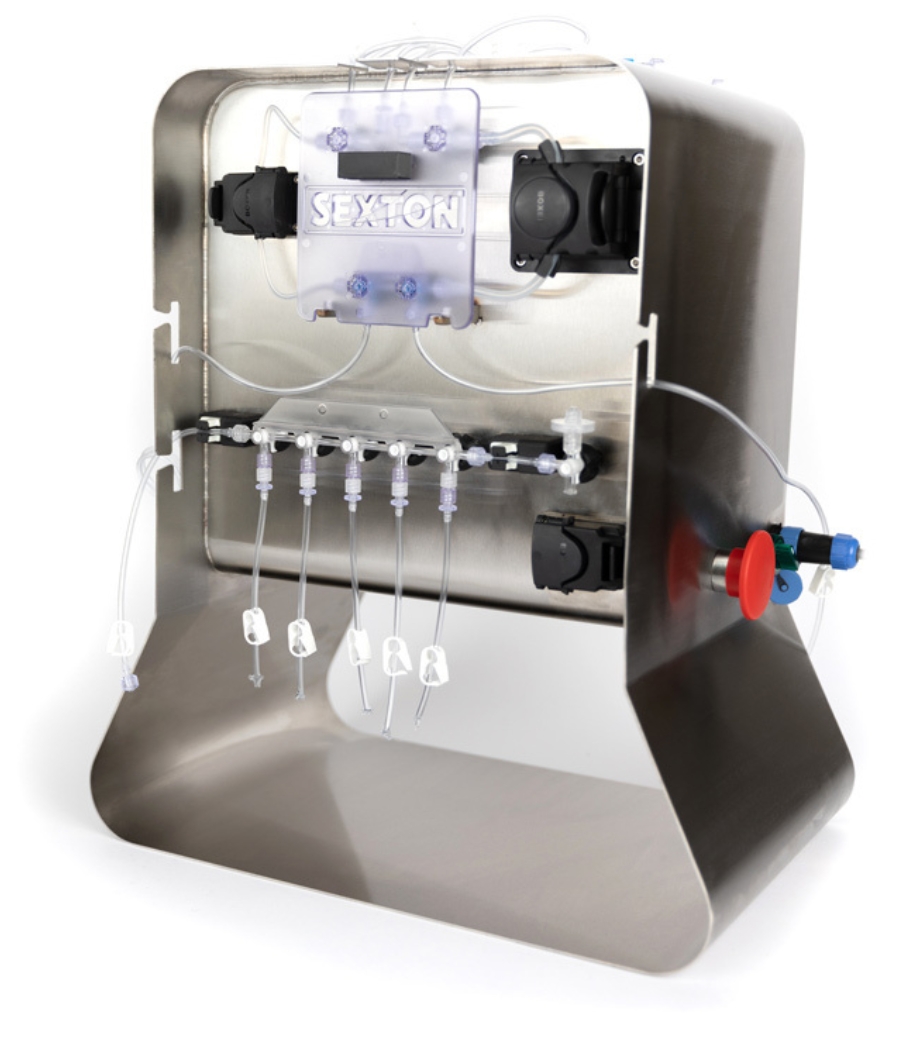
Sexton CT-5 filling system.
As the final formulation of a cell therapy, a living-cell drug places strict demands on its container's material, sterility, durability and safety. Sexton's CellSeal sterile cryovials (USA) are used to keep cell-therapy products safely preserved and stored at cryogenic temperatures. According to Sexton, they are used by cell-therapy customers worldwide and have been part of the approved projects of more than 40 IND drugs in more than ten countries and 2 marketed drugs (including in China):
- Primary packaging container for cell-therapy formulations (in direct contact with the drug product);
- Combines the advantages of cryobags and rigid vials to meet the needs of the cell-therapy industry;
- Made of high-grade USP Class VI medical plastic, resistant to low temperature and DMSO and to breakage;
- Complete primary-packaging test documentation;
- Extensive IND and BLA track record worldwide.
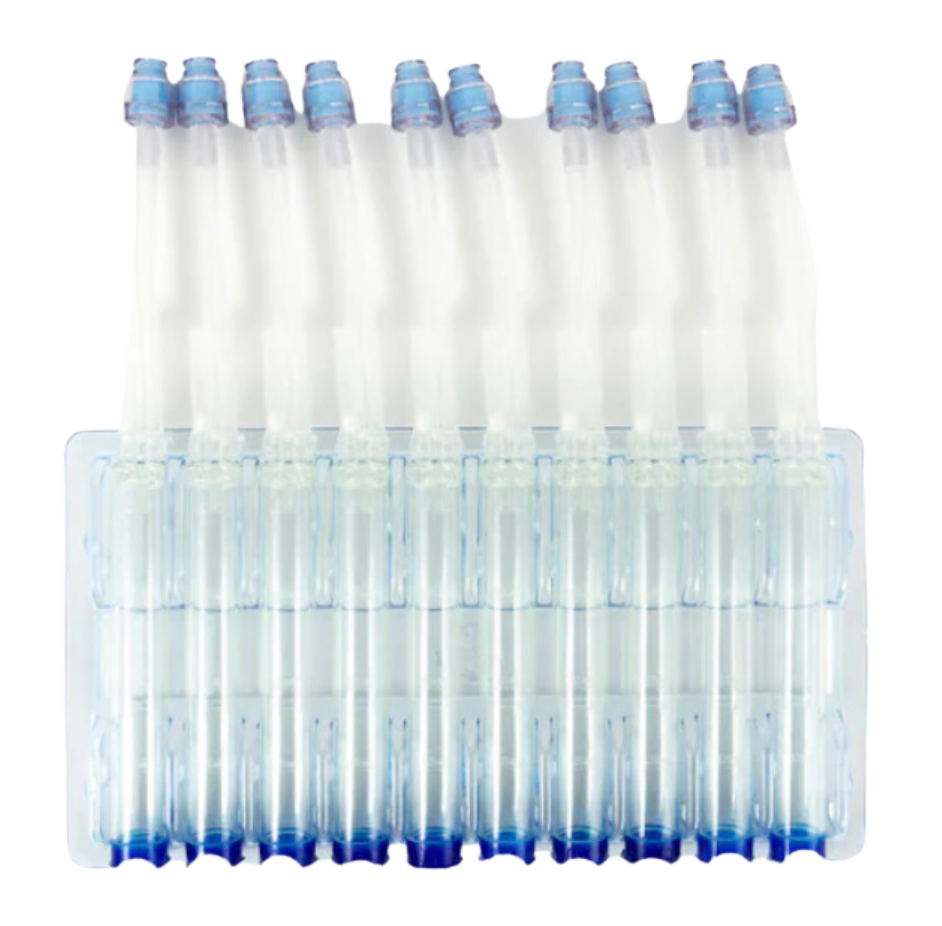
CellSeal cryogenic container.
8. Storage and Transport: Two Weeks at Ambient Temperature with Atelerix
Cryopreservation and recovery of cell formulations are key steps in cell therapy. According to UK-based Atelerix, it uses a unique hydrogel technology that physically encapsulates cells and stabilizes membrane integrity, without cytotoxic or animal-derived supplements, to keep cells ready to use at ambient temperature for two weeks; biological function is maintained in transit, the cost and inefficiency inherent in ultra-cold-chain logistics are eliminated, and the viability losses common in freezing and recovery are greatly reduced. Atelerix has optimized solutions for many sample types, including whole blood, primary cells, organoids, tissues and viruses, and iPSC-derived neural or cardiomyocyte models; its WellReady range distinguishes standard, air-sensitive-cell and cardiomyocyte applications. According to Atelerix:
- Validated in more than 70 biological sample types, protecting fragile cells and complex 3D structures and models;
- Maintains physiological relevance, preserving sample viability, function and integrity;
- More than 90% of samples can be shipped at ambient temperature, free of the cold chain;
- Extends the shelf life of fresh biological samples to up to 2 weeks;
- Simple, easy-to-follow SOP.
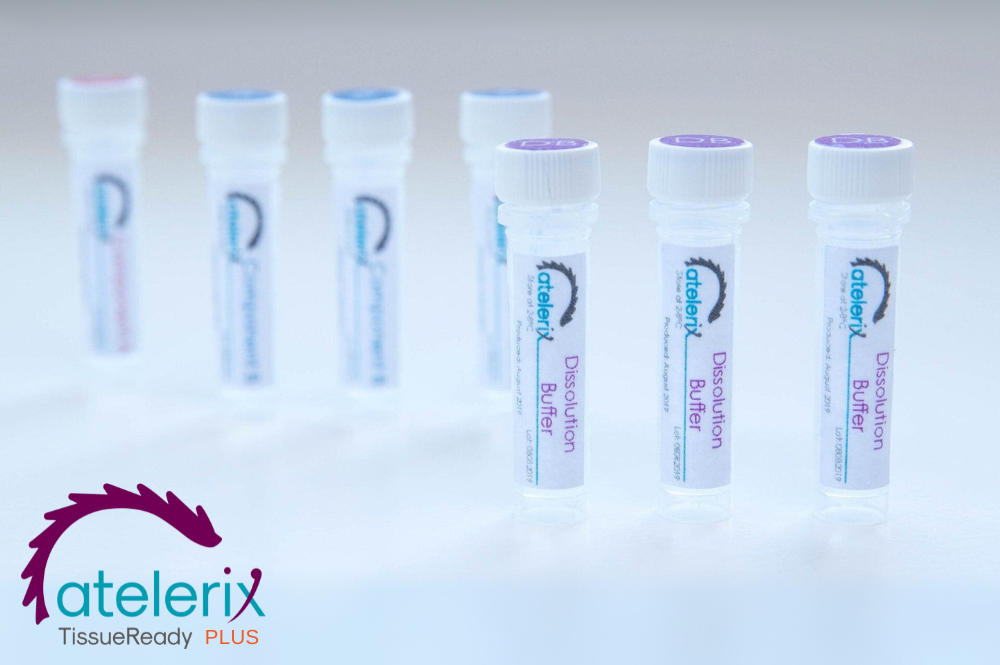
Atelerix ambient-storage products.
Where It Fits and How to Choose
- Select for the whole workflow: choose material grades at small scale that can carry through to scale-up and the clinic (for example LN521 to CT521, research-grade to GMP-grade dissociation enzymes) so the whole process does not have to be revalidated at each stage transition.
- Product features and comparative figures come from manufacturer information and apply to the specified products and assessed conditions; different cell lines, media and samples need their own confirmation, and ambient storage time and recovery should be verified per sample.
- Non-integrating reprogramming and animal-free materials reduce specific risks but do not by themselves establish clinical safety; GMP grade, DMF filing, IND/BLA history and equipment design do not mean a new product or process is approved, and the complete process still needs qualification and validation.
Let TechWave Help You Plan Your iPSC Chain in One Go
Whether you are deriving iPSC lines, developing differentiation models or preparing to take your process into suspension scale-up, fill-finish and transport, contact TechWave. We can help compile specifications and application information for products from Qkine, BioLamina, Nordmark, PBS Biotech, AXOL, Sexton and Atelerix, plan a research-grade to GMP-grade material path for your cell type and project stage, and arrange a quotation.
References
- Schlaeger TM, et al. A comparison of non-integrating reprogramming methods. Nature Biotechnology. 2015;33:58–63. https://doi.org/10.1038/nbt.3070
Uses and applicable scenarios
- iPSC line derivation, maintenance culture and scaled expansion
- Gene editing and disease-model construction
- Directed differentiation and iPSC-derived cell models for drug screening
- Cell-therapy process scale-up, fill-finish, cryostorage and transport
Limitations
- Product features and comparative figures come from manufacturer information and apply to the specified products and assessed conditions; confirm them for each cell line and process
Related brands
Related products
- Biolaminin 521 LN (LN521)
- Biolaminin 521 CTG (CT521)
- Biolaminin 111 LN (LN111)
- Biolaminin 121 LN (LN121)
- Biolaminin 211 LN (LN211)
- Biolaminin 221 LN (LN221)
- Biolaminin 332 LN (LN332)
- Biolaminin 411 LN (LN411)
- Biolaminin 421 LN (LN421)
- Biolaminin 511 LN (LN511)
- Biolaminin 521 MX (MX521) Pre-clinical
- Activin E PLUS (human) 50μg
- Activin E PLUS (human) 100μg
- Activin E PLUS (human) 500μg
- Activin E PLUS (human) 1000μg
- GM-CSF (human)
- Flt3L (human) 25μg
- Flt3L (human) 50μg
- Flt3L (human) 100μg
- Flt3L (human) 500μg
- Flt3L (human) 1000μg
- IL-3 (human)
- IL-1β (human)
- Zanamivir 2 mg (powder)
- Zanamivir 2 mg (10 mM solution in DMSO)
- Zanamivir 10 mg (powder)
- Zanamivir 50 mg (powder)
- NVP-XAV939
- NVP-XAV940
- NVP-XAV941
- YO-01027 (Dibenzazepine)
- YM155 5 mg (powder)
- YM155 5 mg (10 mM solution in DMSO)
- YM155 25 mg (powder)
- YM155 100 mg (powder)