
Technical column
One Controller, 24 Parallel Vessels: PBS MiniPRO Brings the Fluid Environment of 3/15/80 L GMP-Scale Vertical-Wheel Bioreactors to the Bench, With up to 2x More Viable Cells per Batch
Three things slow cell therapy process development: testing parameters one at a time, incubators that cannot control dissolved oxygen, and small-vessel results that fail to carry over to production tanks. PBS Biotech's MiniPRO runs up to 24 independent 0.5 L Vertical-Wheel single-use vessels from one controller, monitors pH, dissolved oxygen and temperature in every vessel, and keeps sampling, feeding and perfusion medium exchange closed. The manufacturer states that it mirrors the fluid dynamics and performance of its 3, 15 and 80 L GMP-scale Vertical-Wheel bioreactors and delivers up to 2x more viable cells per batch. This article breaks down the system architecture, the low-shear and oxygen-control data, the scale-up basis and how to choose.
Definition
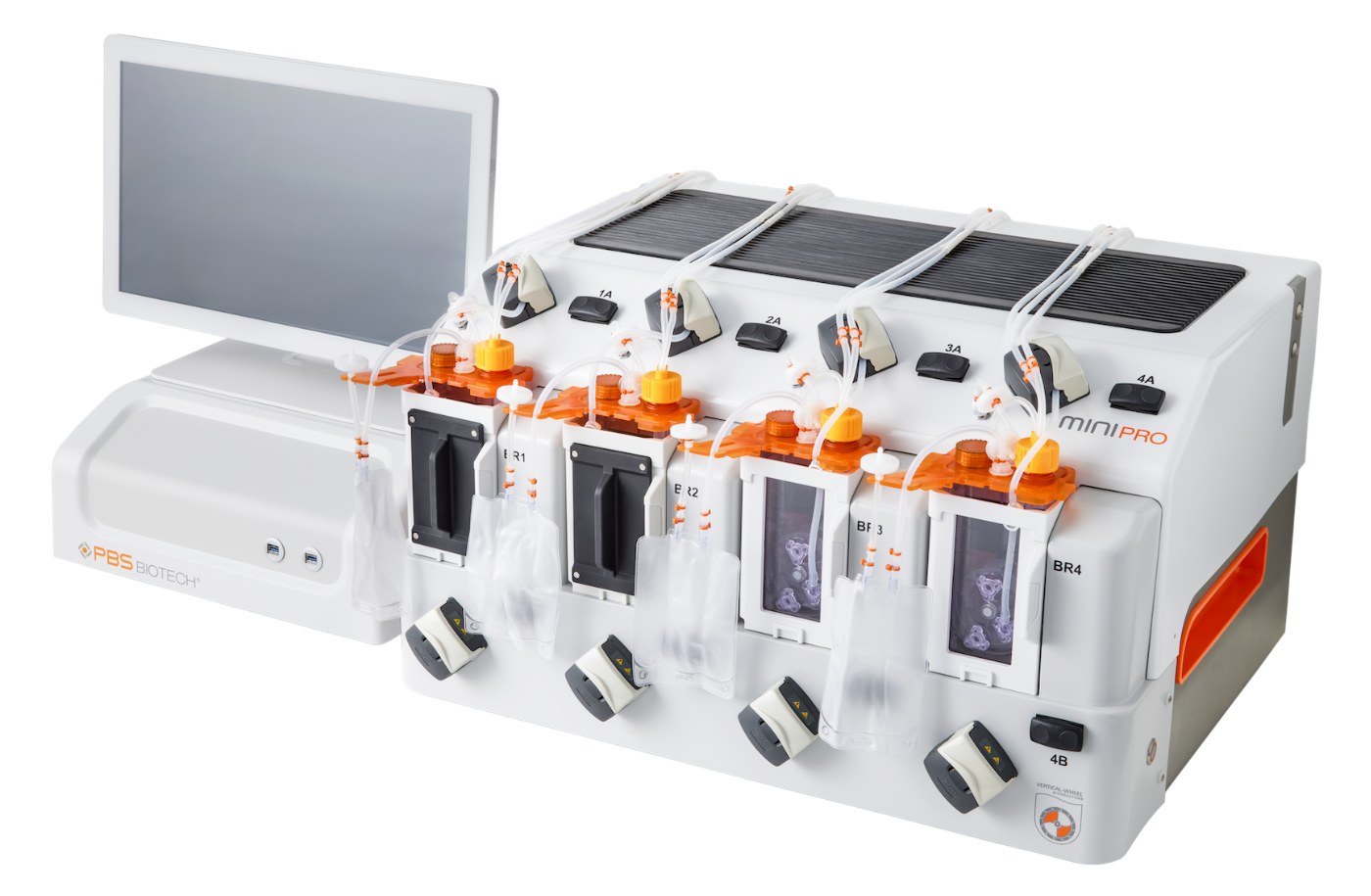
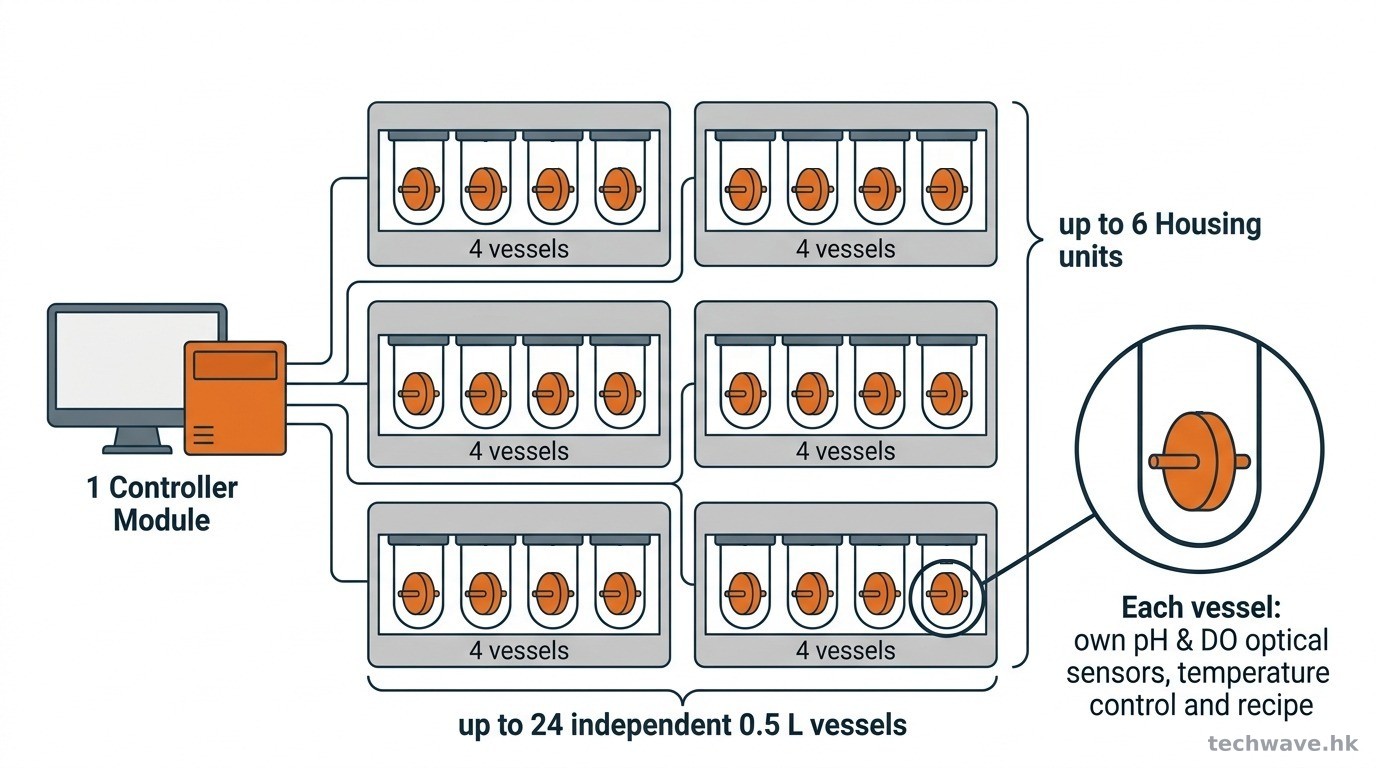
PBS MiniPRO is a multi-parallel Vertical-Wheel bioreactor platform launched by PBS Biotech in December 2025: one Controller Module runs up to six Housing units and 24 FLUIDIX 0.5 L single-use vessels (0.3–0.5 L working volume), each with its own pH and dissolved-oxygen optical sensors, temperature control and recipe, for early cell therapy process development, parameter screening and scale-down modelling before scale-up.
Cell therapy teams in process development are held back by three things. Process parameters can only be tested one set at a time, so a single screening round takes months. Small 0.1 L or 0.5 L vessels sitting in an incubator rely on passive headspace gas exchange, so cells run short of oxygen as density climbs. And conditions that finally work in a small vessel often fail to match once the process moves to a production bioreactor of several or several dozen litres.
MiniPRO, launched by PBS Biotech on 2 December 2025, is aimed squarely at those three problems. One controller drives up to 24 independent 0.5 L Vertical-Wheel single-use vessels, each with real-time monitoring and control of temperature, agitation, dissolved oxygen and pH, plus closed perfusion medium exchange. The manufacturer puts it plainly: MiniPRO mirrors the fluid dynamics and performance of its 3, 15 and 80 L GMP-scale Vertical-Wheel bioreactors, and delivers up to 2x more viable cells per batch.
The bottom line: four changes MiniPRO brings to small-scale development
| Small-scale pain point | What MiniPRO does |
|---|---|
| Slow parameter screening | One controller module drives up to six housings of four vessels each, so up to 24 vessels run different protocols independently or in sync |
| Incubators cannot control dissolved oxygen | Integrated gassing and closed-loop DO control; in the manufacturer's poster, controlling DO at 50% gave a higher final cell yield than an uncontrolled 0.5 L incubator condition |
| Small-vessel results do not scale | Same Vertical-Wheel geometry as PBS-3, PBS-15 and PBS-80, which the manufacturer says gives matching fluid dynamics and performance; with agitation selected from energy-dissipation correlations, growth rates, aggregate-size distributions and metabolic profiles were similar to 3 L cultures |
| Frequent open handling and contamination risk | Closed sampling, feeding and perfusion medium exchange, with an internal 60 µm filter in each vessel |
One controller, up to 24 vessels: how far the parallelism goes
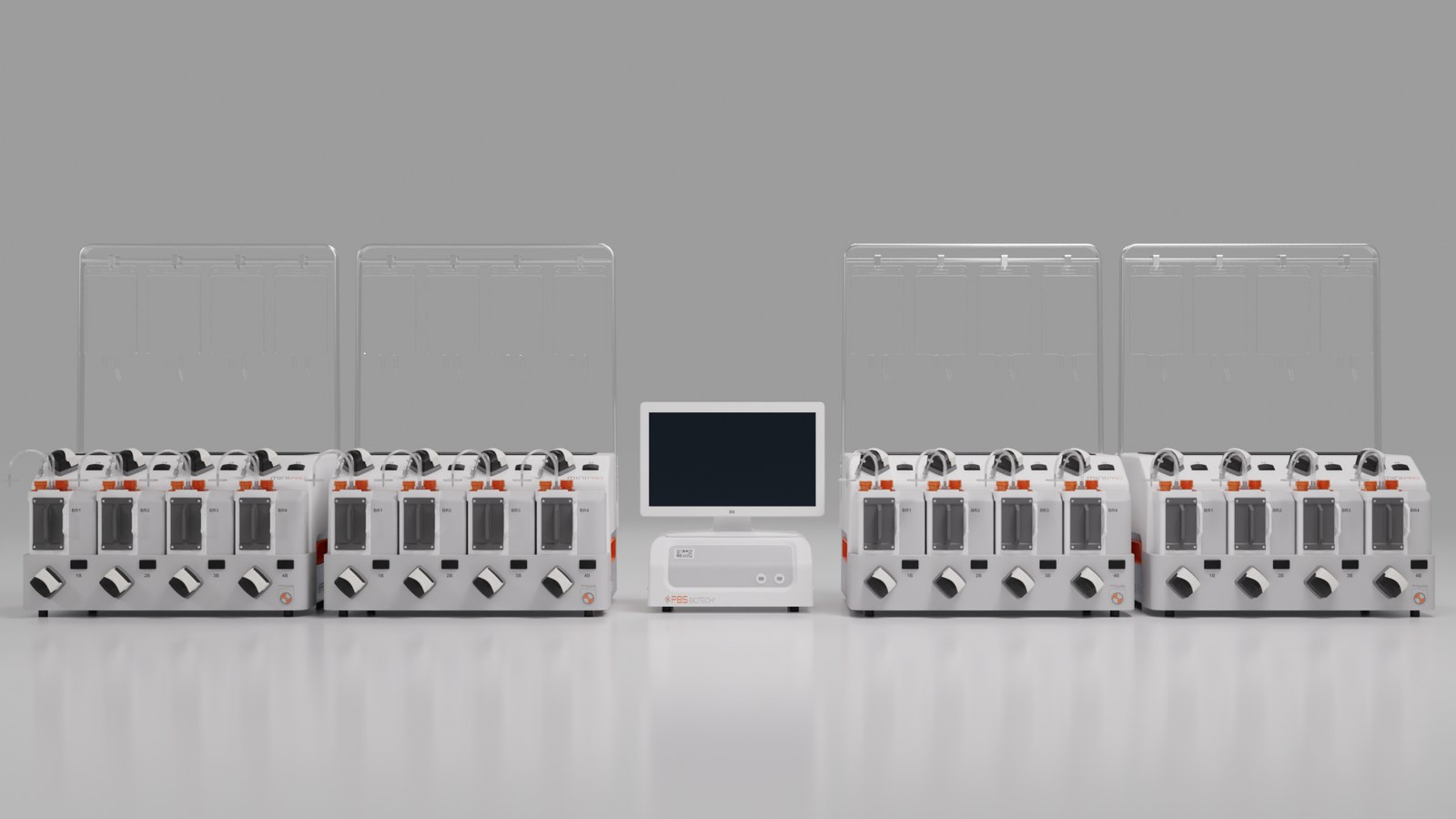
MiniPRO is built as one Controller Module connected to up to six Housing units, each holding four vessels, for a total of 1–24 bioreactors. Every vessel has its own pH and dissolved-oxygen (DO) optical sensors, temperature control and recipe, so process conditions can be set independently, or several vessels can run the same protocol in sync. In the words of the launch announcement: up to 24 independent small-scale cultures in an automated closed system, with real-time temperature, agitation, oxygenation and pH control and monitoring, plus perfusion media exchange.
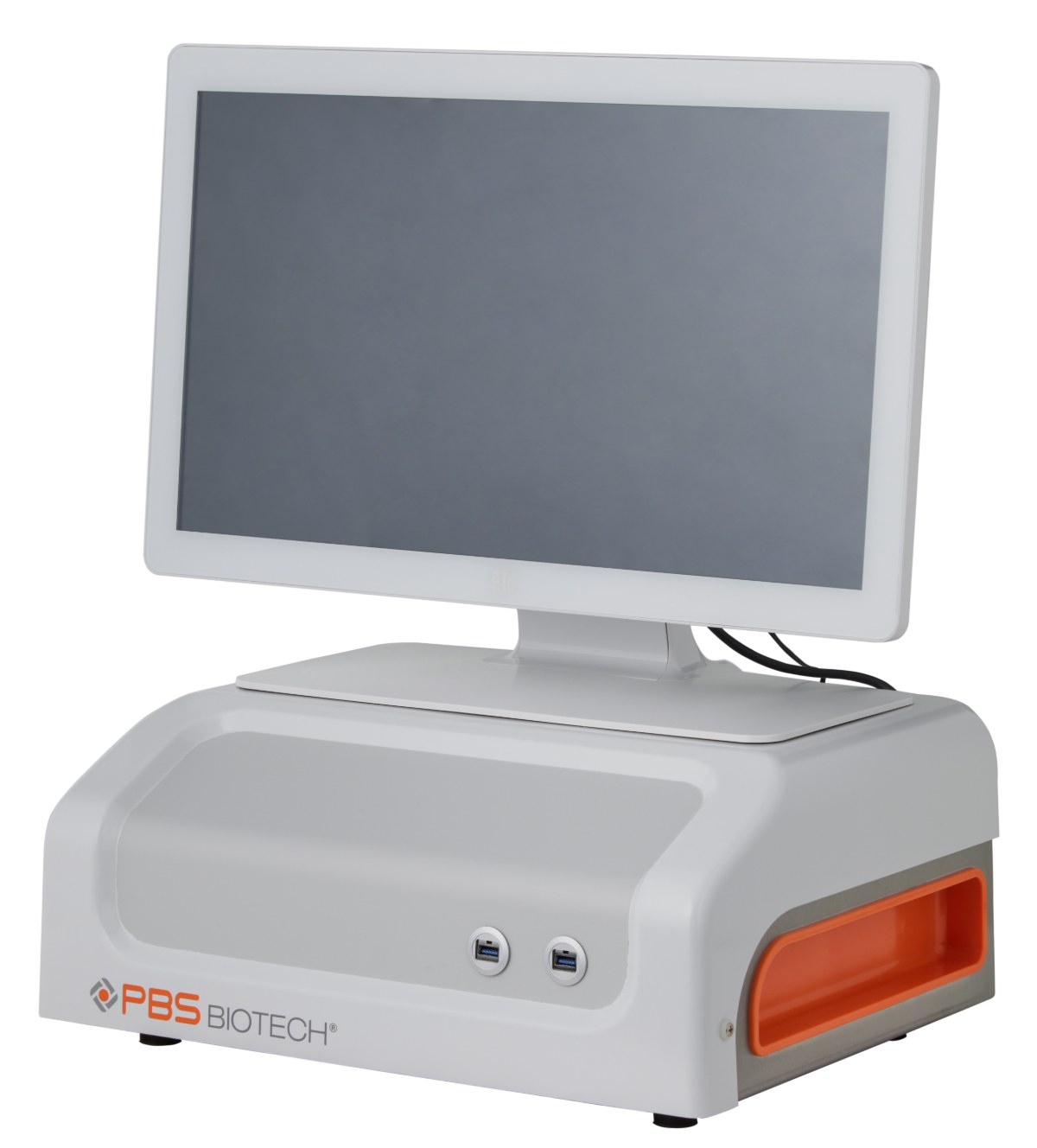
The automation follows a production-grade approach. The control software is based on Rockwell FactoryTalk industrial automation and manufacturing software, with Sequencer and Recipes used to build workflows that respond automatically to process changes, and the instrument connects over EtherNet/IP. For a development team this means medium exchange, gassing and set-point changes can be written into recipes and executed automatically, cutting the batch-to-batch variability that comes with manual intervention and reducing hands-on work at night and over weekends.
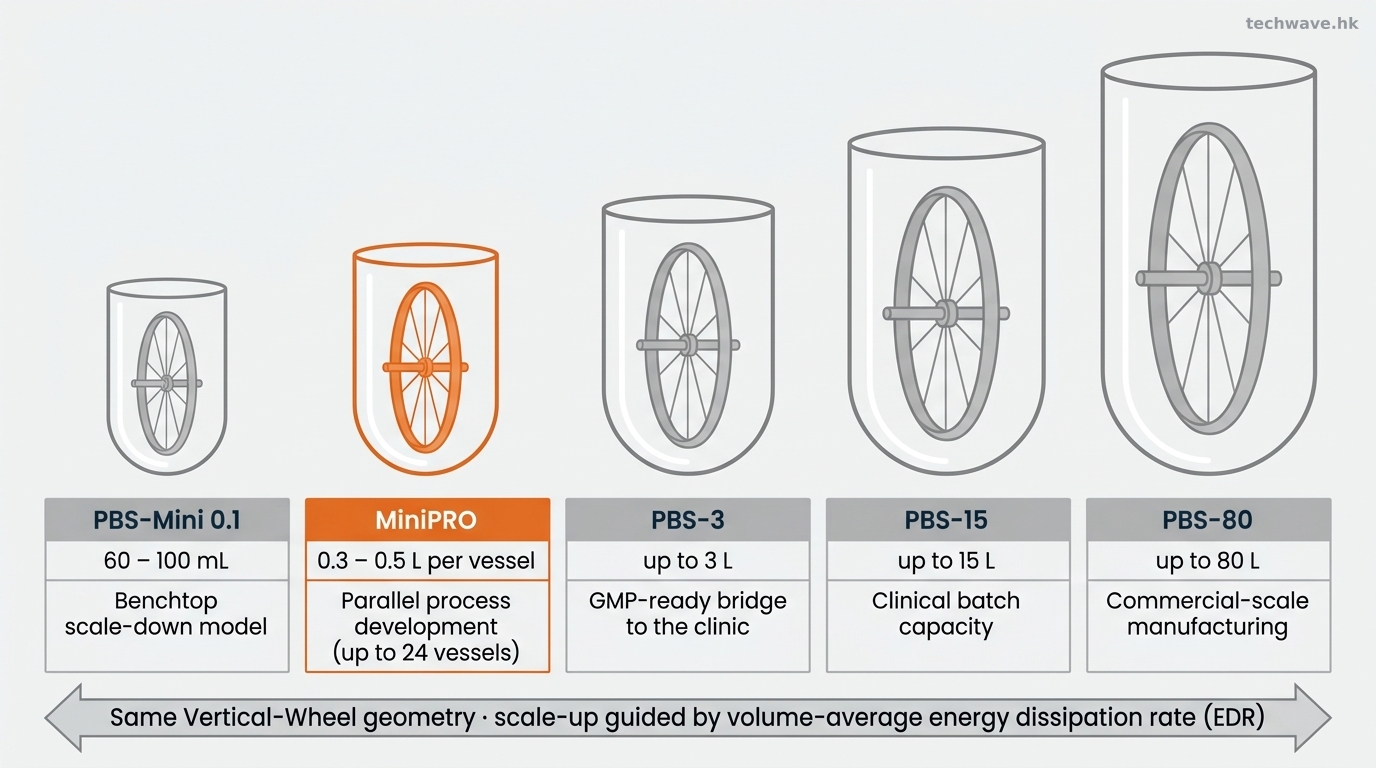
The same wheel: why small-vessel results carry over to 3 L, 15 L and 80 L
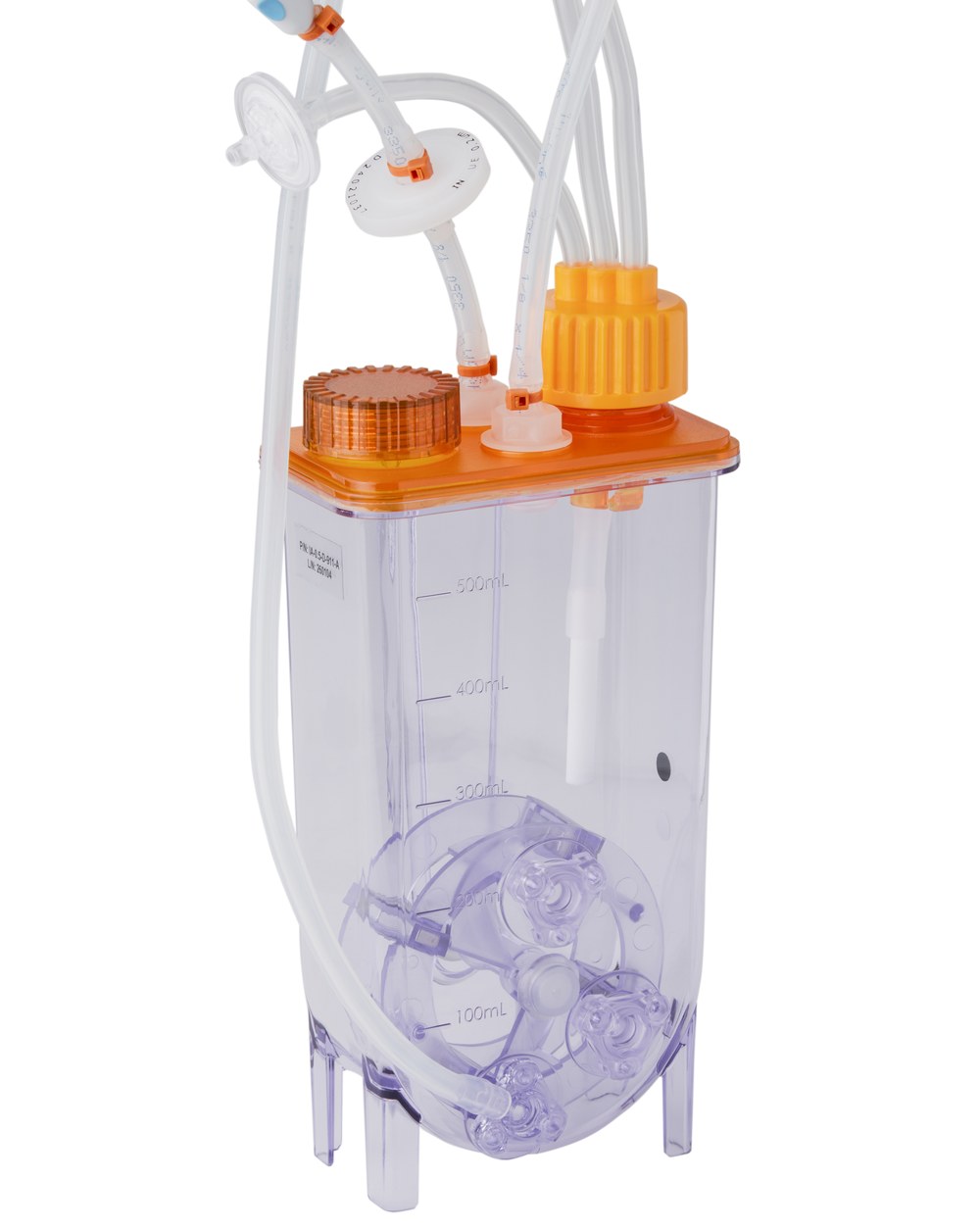
MiniPRO uses Vertical-Wheel FLUIDIX 0.5L PRO single-use vessels: 0.5 L nominal, 0.3–0.5 L working volume, with the vessel and the Vertical-Wheel impeller both made of polycarbonate, and two vessel grades, GMP-Research and GMP-Clinical. The large-diameter vertical wheel and U-shaped vessel bottom share the same impeller geometry as the PBS-3, PBS-15 and PBS-80 production bioreactors. According to the manufacturer, MiniPRO mirrors the fluid dynamics and performance of these GMP-scale Vertical-Wheel bioreactors at small scale, so bench results translate directly to scale-up at 3 L, 15 L or 80 L.
That consistency has a published computational fluid dynamics basis. Dang et al. (2021) modelled Vertical-Wheel bioreactors at four scales (0.1, 0.5, 3 and 15 L) over a range of agitation rates. Important volume-average hydrodynamic variables could be maintained throughout scale-up from 0.1 L to 15 L, and the work produced scale-up correlation equations: define a working range of hydrodynamic variables at one scale, then calculate the corresponding agitation rates at the other scales. Scale-up, in other words, works by converting operating parameters through correlations, not by copying settings in proportion to volume.
The manufacturer's 2026 poster summaries provide direct evidence. MiniPRO and 3 L cultures operated at scale-correlated agitation rates showed comparable growth rates and metabolic profiles. A second poster, on a computer-controlled parallel Vertical-Wheel scale-down platform, reported similar growth rates, aggregate-size distributions and metabolic profiles between the scaled-down system and a 3 L bioreactor when agitation was selected using energy dissipation correlations.
How low is low shear: the magnitudes from published CFD
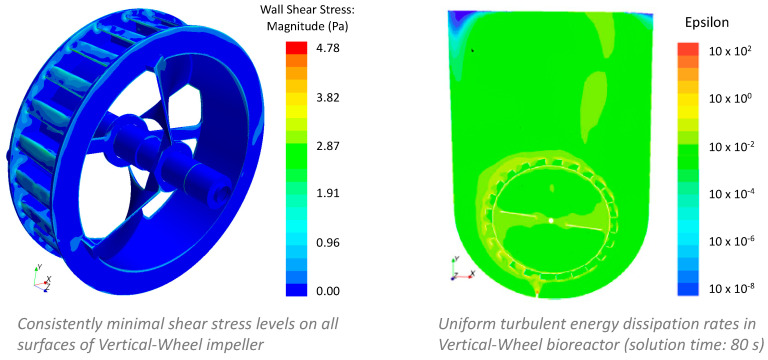
The vertical wheel combines radial and axial flow to create a hydrodynamic environment that is evenly distributed throughout the vessel. The CFD analysis of the 0.1 L Vertical-Wheel by Borys et al. (2021) showed this distinctive flow pattern and the homogeneous distribution of hydrodynamic forces, and the authors regarded it as a suitable environment for systematic optimization of hiPSC expansion.
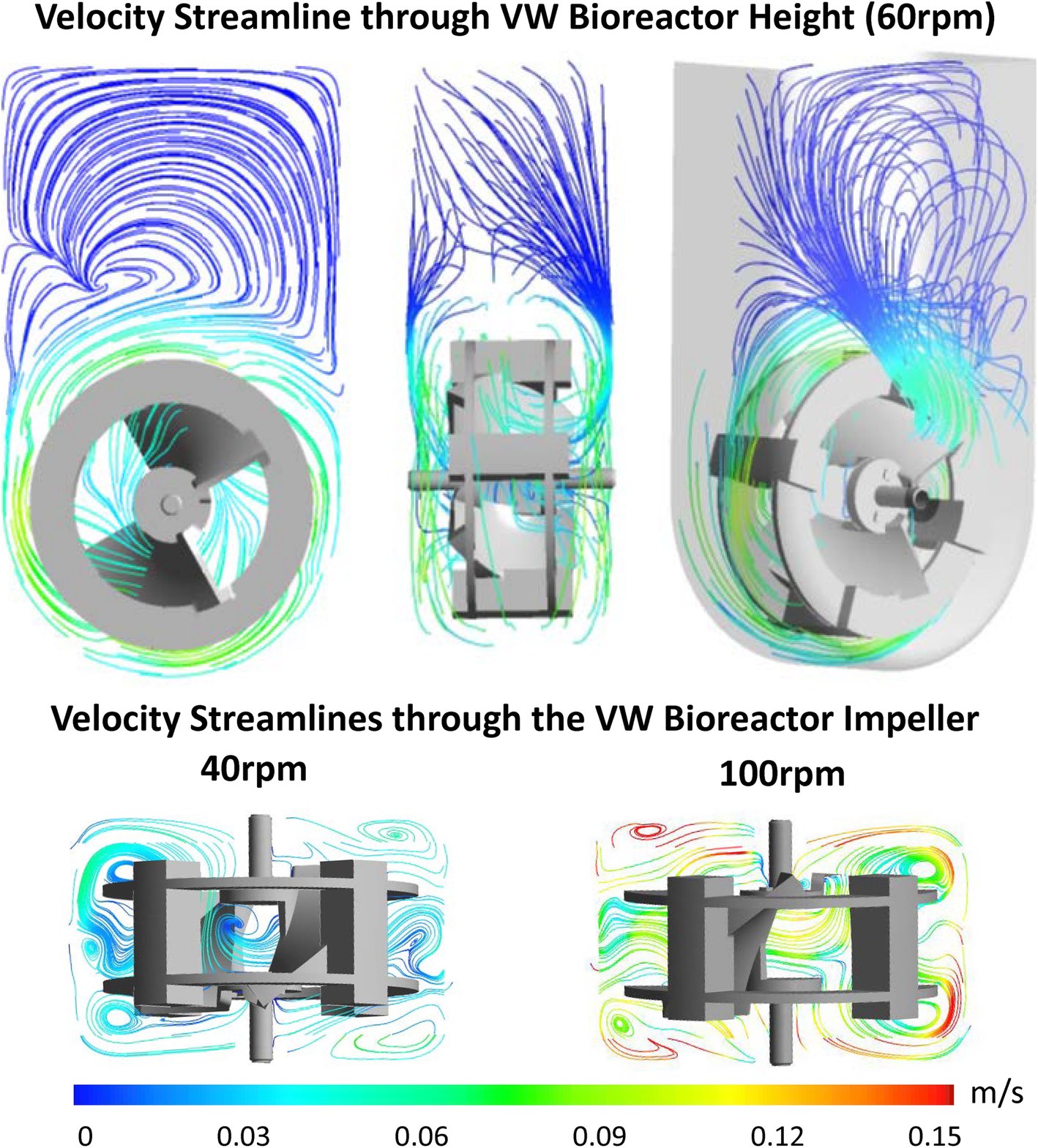
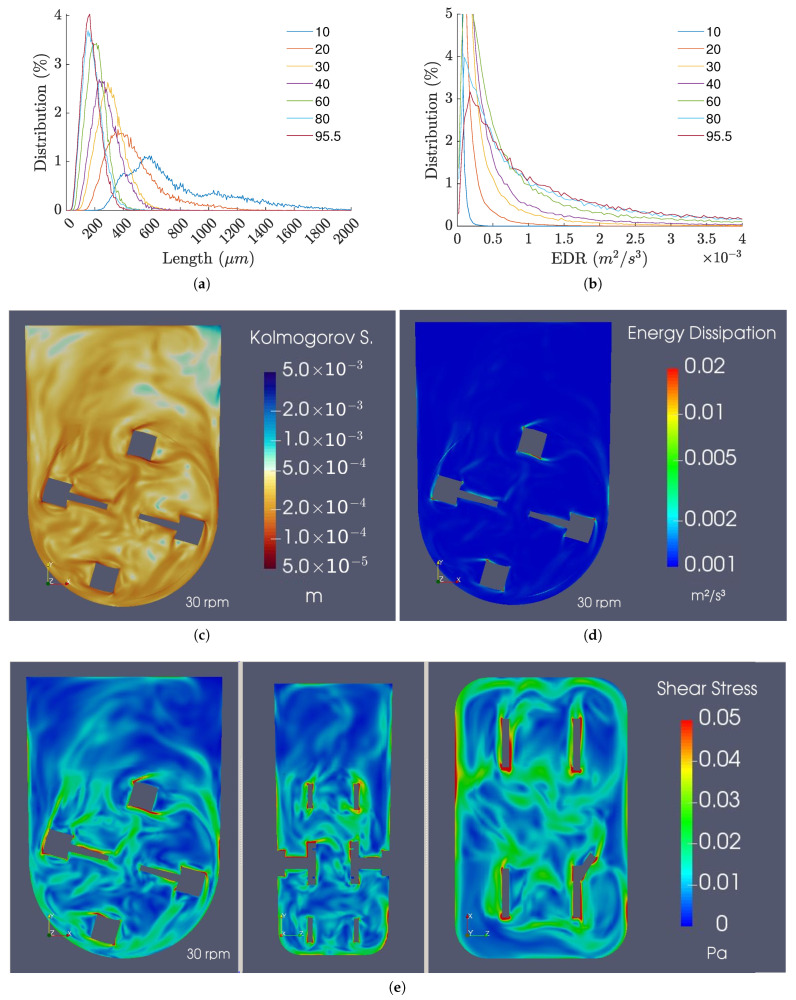
So how low is the shear? Neto et al. (2022) ran refined-mesh large-eddy simulations of the PBS Vertical-Wheel MINI 0.1; at 100 mL and 30 rpm the instantaneous shear stress field is plotted on a 0–0.05 Pa colour scale, with most of the vessel in the low-to-middle range and only the impeller edges reaching the top of the scale. The CFD results of Lee et al. (2020) show wall shear on the Vertical-Wheel impeller surfaces sitting mainly in the lowest colour band and consistently low overall, with a uniform turbulent energy dissipation rate across the U-shaped vessel.
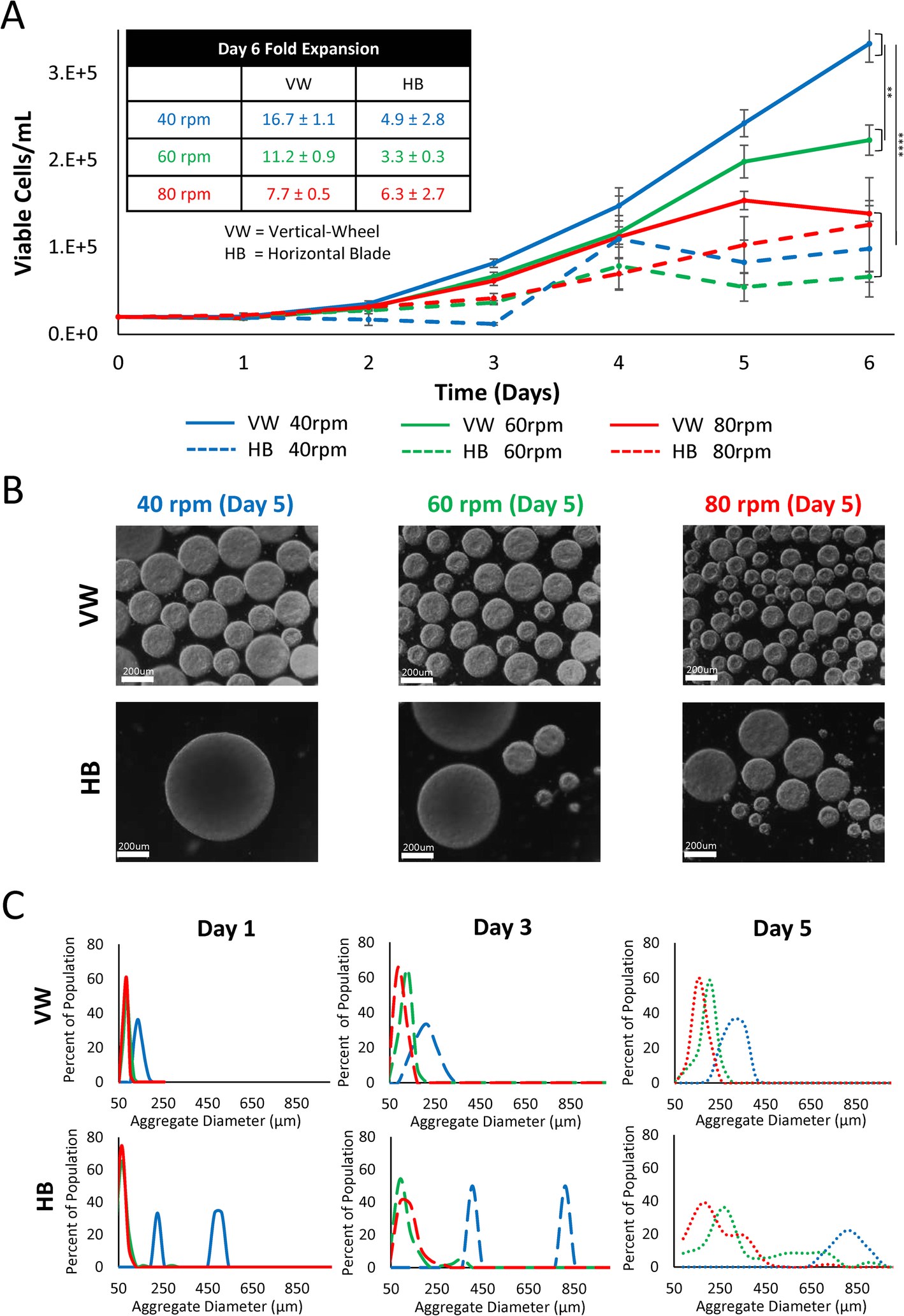
Uniform flow shows up directly in the cells. Borys et al. (2021) seeded hiPSCs as single cells in Vertical-Wheel and horizontal-blade bioreactors and ran 6-day batch cultures at 40, 60 and 80 rpm. The Vertical-Wheel reached a maximum expansion of 16.7 ± 1.1-fold at 40 rpm, while the horizontal-blade bioreactor peaked at only 6.3 ± 2.7-fold (80 rpm). The horizontal-blade bioreactor produced large, heterogeneous aggregates, which the authors linked to poor mixing, whereas day-5 average aggregate diameters in the Vertical-Wheel stayed at about 169–275 μm (80 rpm to 40 rpm). That is exactly why MiniPRO is worth using to screen shear conditions: tuning agitation inside a low-shear window reveals process differences rather than noise amplified by local high-shear zones.
Oxygen is the real yield ceiling at small volume
In a small vessel inside an incubator, oxygen can only diffuse passively into the medium from the headspace. Once cell density rises after inoculation, oxygen demand outpaces supply, dissolved oxygen keeps falling, cells become oxygen-limited and growth slows early. MiniPRO builds gassing and closed-loop DO control into every vessel: an optical sensor reads DO, and the controller adds gas against a set point to hold DO at the target level.
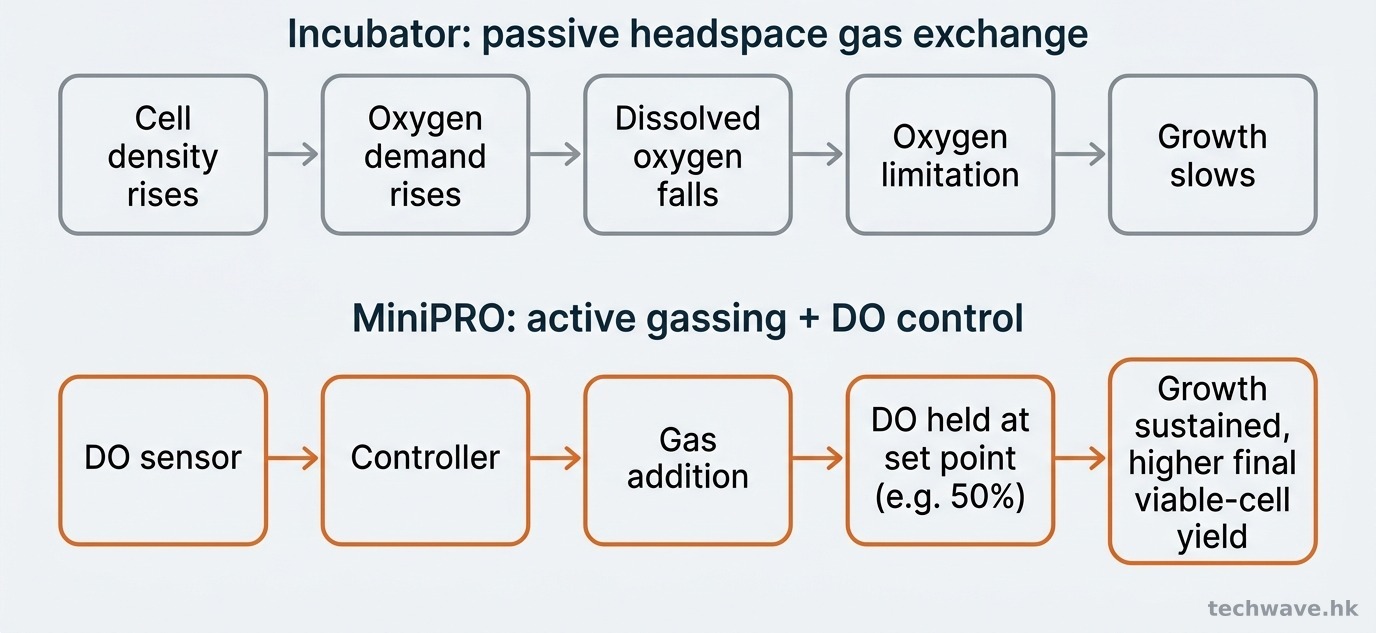
The manufacturer's data back this up. According to the poster summary, controlling dissolved oxygen at 50% increased final cell yield compared with an uncontrolled 0.5 L incubator condition, and controlled oxygen addition reduced the oxygen limitations encountered in incubator-operated vessels. On that basis the manufacturer's product figure is up to 2x more viable cells per batch, with correspondingly lower medium consumption and fewer runs.
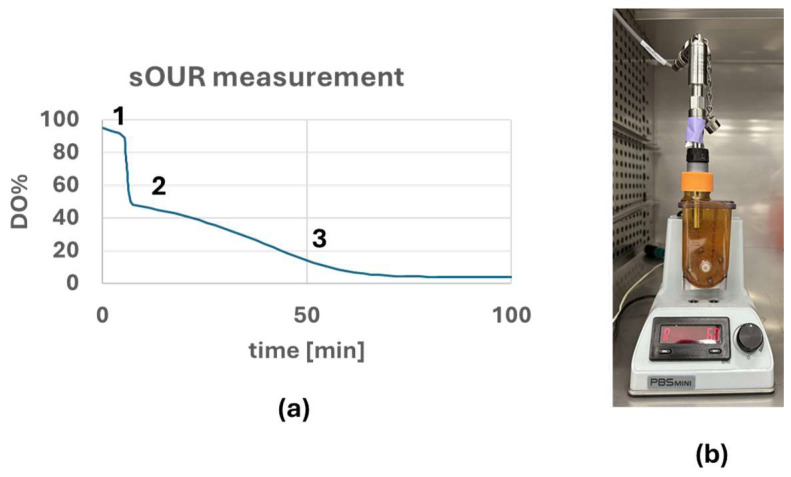
Kim et al. (2025) supply a quantitative framework for why oxygen supply sets the yield ceiling. They measured the oxygen mass-transfer coefficient (kLa) in PBS-3, PBS-15 and PBS-80 at different agitation rates, headspace gas flow rates and working volumes, measured the specific oxygen uptake rate (sOUR) of iPSC aggregates in a gas-tight PBS 0.1 Mini, and combined the two to calculate the theoretical maximum cell density before oxygen limitation at each Vertical-Wheel scale.
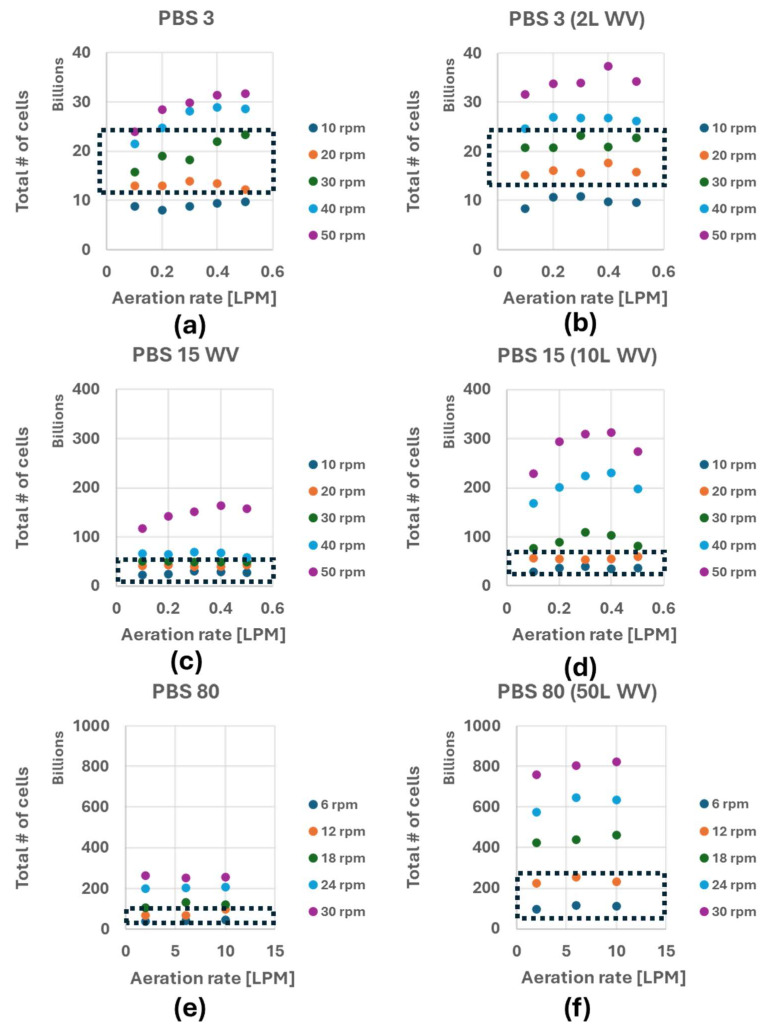
The practical point for process development: on MiniPRO the DO set point becomes a variable you can optimize, so the conditions you find are closer to the actively oxygen-controlled reality of a production vessel, rather than results capped by the gas-exchange capacity of an incubator.
Closed operation: sampling, feeding and perfusion without opening the vessel
MiniPRO single-use vessels arrive pre-sterilized, and sampling, supplementation and perfusion medium exchange all run through closed connections, which the manufacturer says preserves sterility. An internal 60 µm filter keeps aggregates in the vessel during perfusion while only the medium is exchanged, and the manufacturer also offers a closed-system sampling conical with an integrated dip tube and weldable tubing for representative sample collection. A 2026 poster summary specifically validated a closed-system sampling workflow designed to collect representative iPSC aggregate samples while limiting gravity-driven settling in transfer lines.
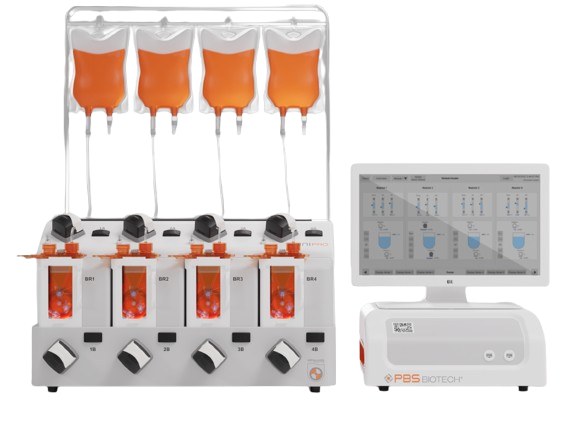
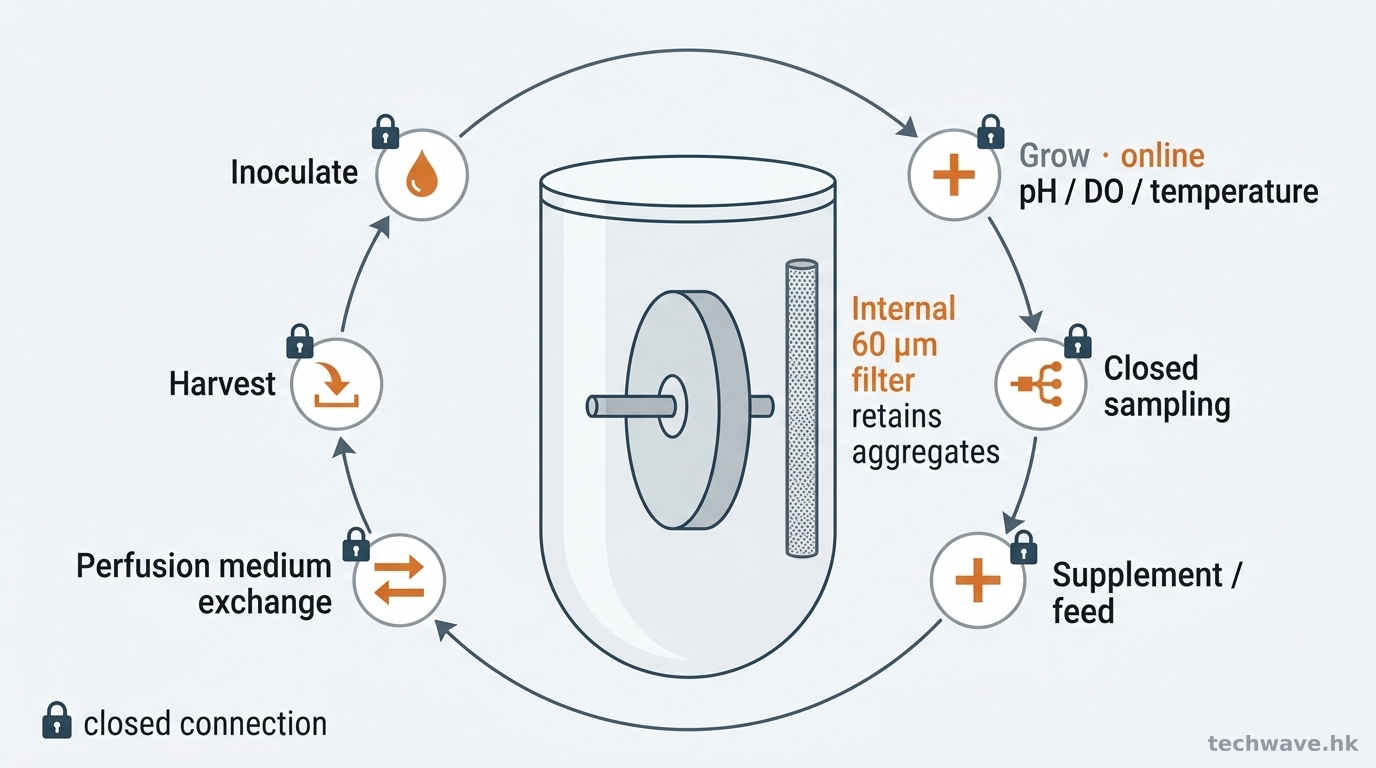
On the quality-system side, the manufacturer describes the workflow as closed and GMP-compatible, the vessels as single-use and cGMP-ready, and the control software as 21 CFR Part 11-compliant, with IQ/OQ documentation provided. Moving from early process development to clinical sample production can therefore keep the same operating logic and documentation framework.
What to screen across 24 vessels: from variable lists to DoE
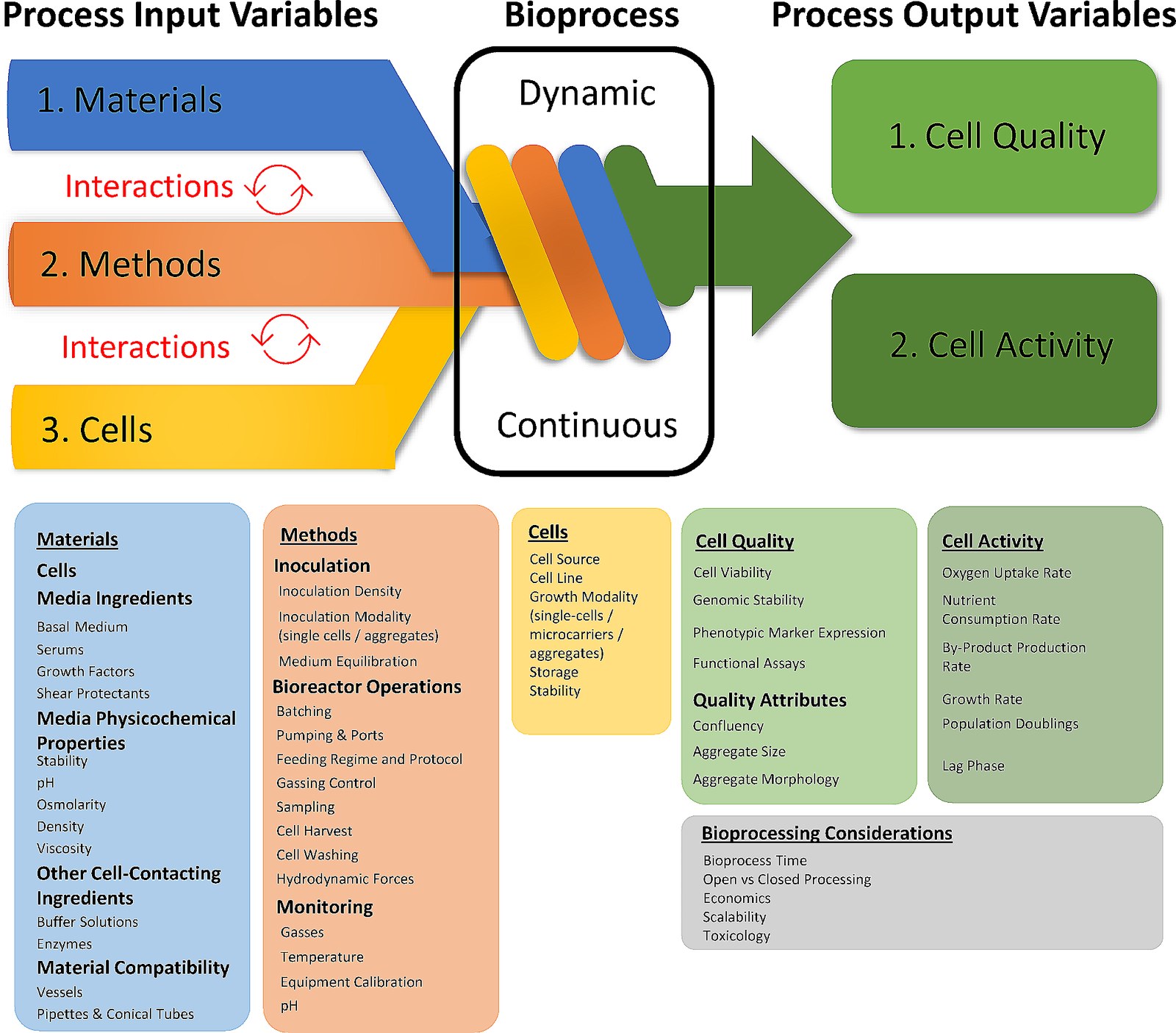
The value of parallel capacity depends on what you screen with it. Borys et al. (2024) break a bioprocess into process input variables (materials, methods, cells) and process output variables (cell quality, cell activity), and stress that input variables act both independently and synergistically, which is exactly where same-batch comparison across many vessels is needed.
Yehya et al. (2024) offer an example you can design around directly. In 100 mL Vertical-Wheel bioreactors they used a DoE approach to evaluate 19 combinations of media additives (heparin sodium salt, PEG, PVA, Pluronic F68 and dextran sulfate) over 4 days, reading out cell growth, pluripotency maintenance and aggregate stability at the same time. The expansion-optimized combination of Pluronic F68, PVA and PEG with E8 shortened the doubling time by 40% compared with E8 alone, and aggregate-stability optimization showed that the interaction of heparin and PEG can limit aggregate fusion. A multifactor matrix like this is where 24 parallel vessels with independent recipes pay off most.
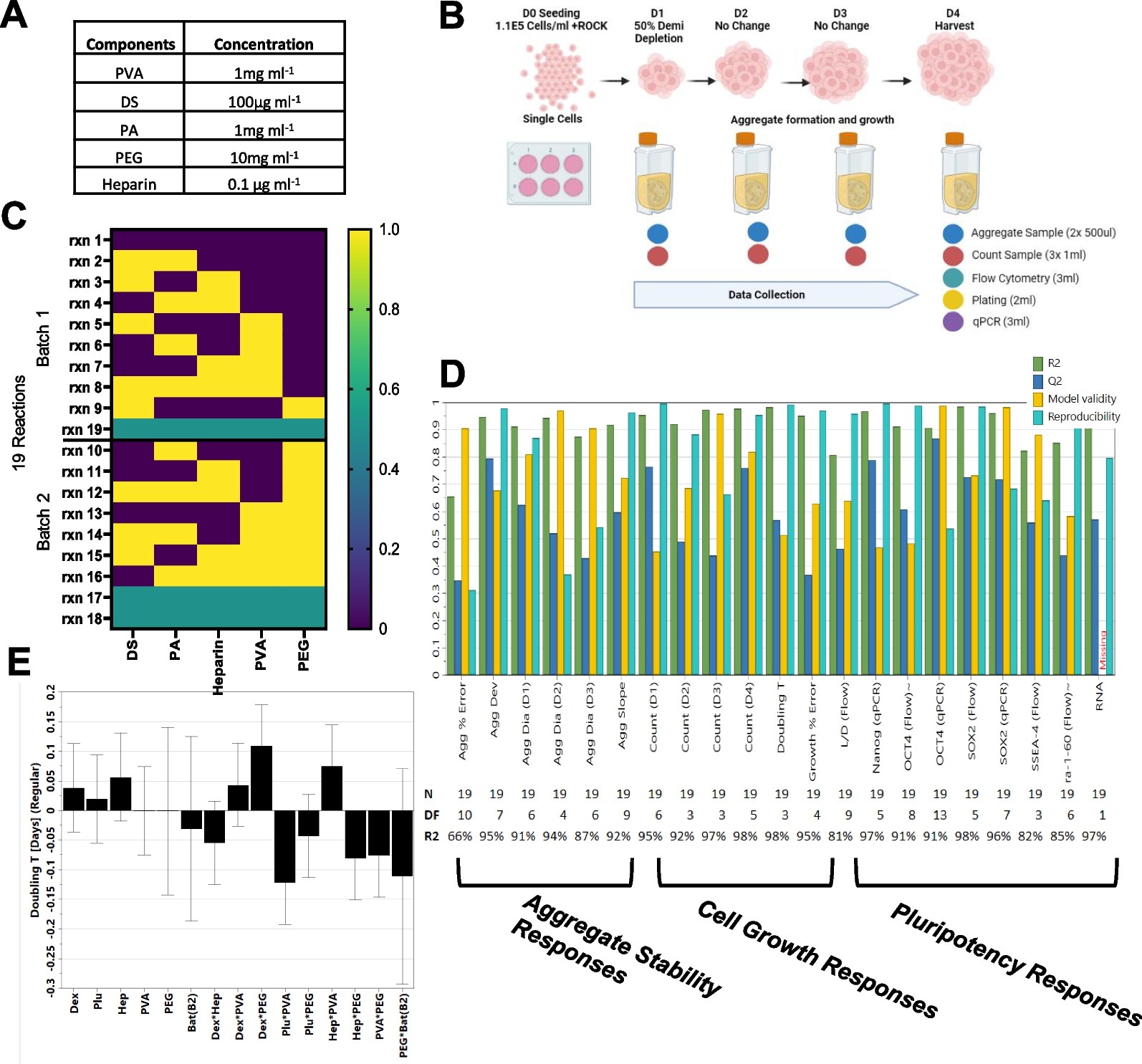
The long-term serial-passage results of Borys et al. (2024) are a reminder that differences invisible in a short 6-day culture surface over repeated passages and in-vessel dissociation; robust processes sustained growth and quality over 10 serial bioreactor passages. Running several media and several cell lines through serial passaging in parallel vessels is the most direct way to shorten that kind of evaluation.
Small volumes connect too: published 0.1 L to 0.5 L data
MiniPRO's 0.5 L vessel belongs to the same Vertical-Wheel family as PBS-Mini 0.1 and PBS-Mini 0.5, and several peer-reviewed studies have verified the link between small volumes:
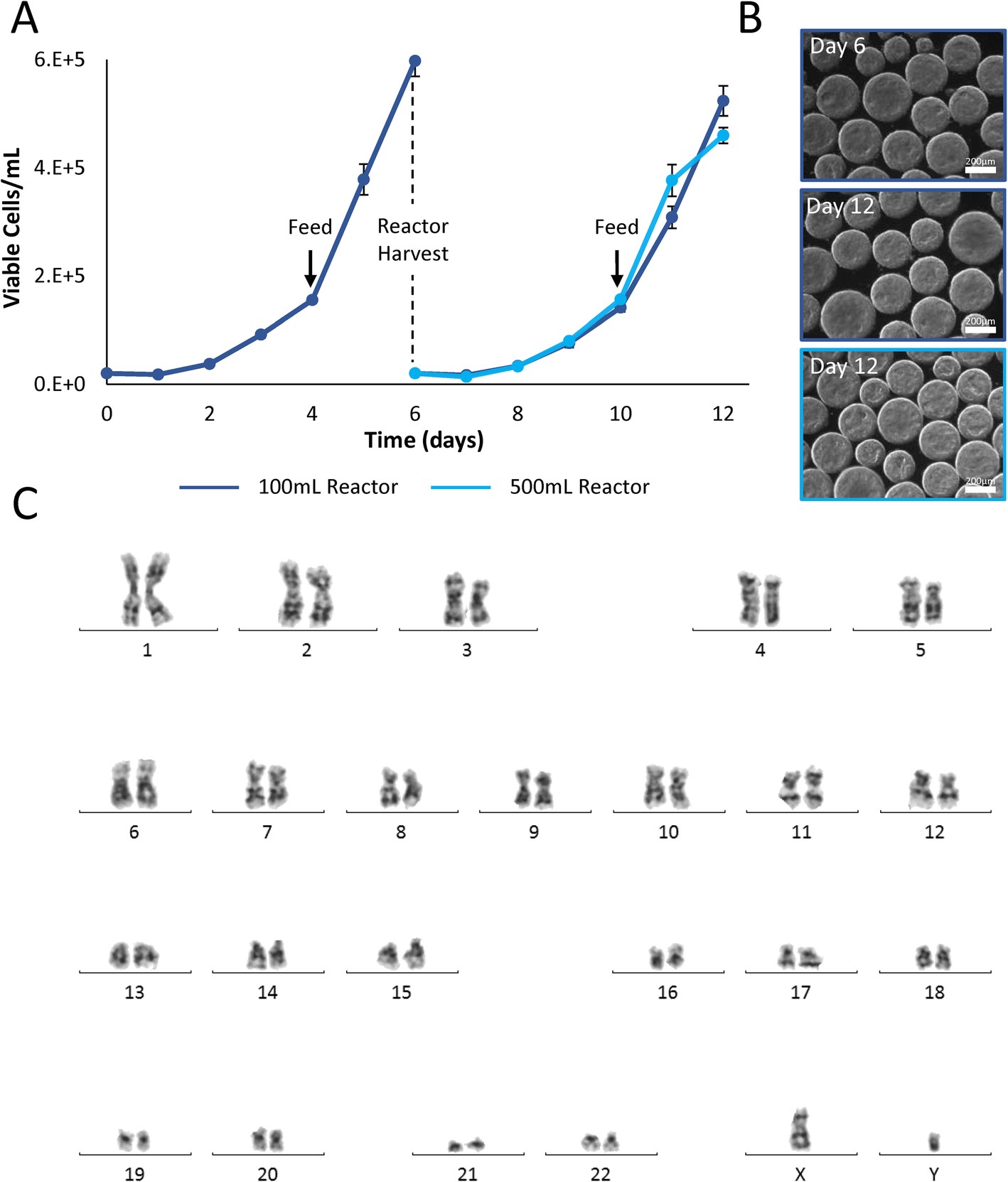
- Borys et al. (2021): hiPSCs seeded as single cells in 0.1 L Vertical-Wheel bioreactors and serially passaged into 0.1 L and 0.5 L vessels showed similar growth curves, with a normal karyotype at the end of passaging.
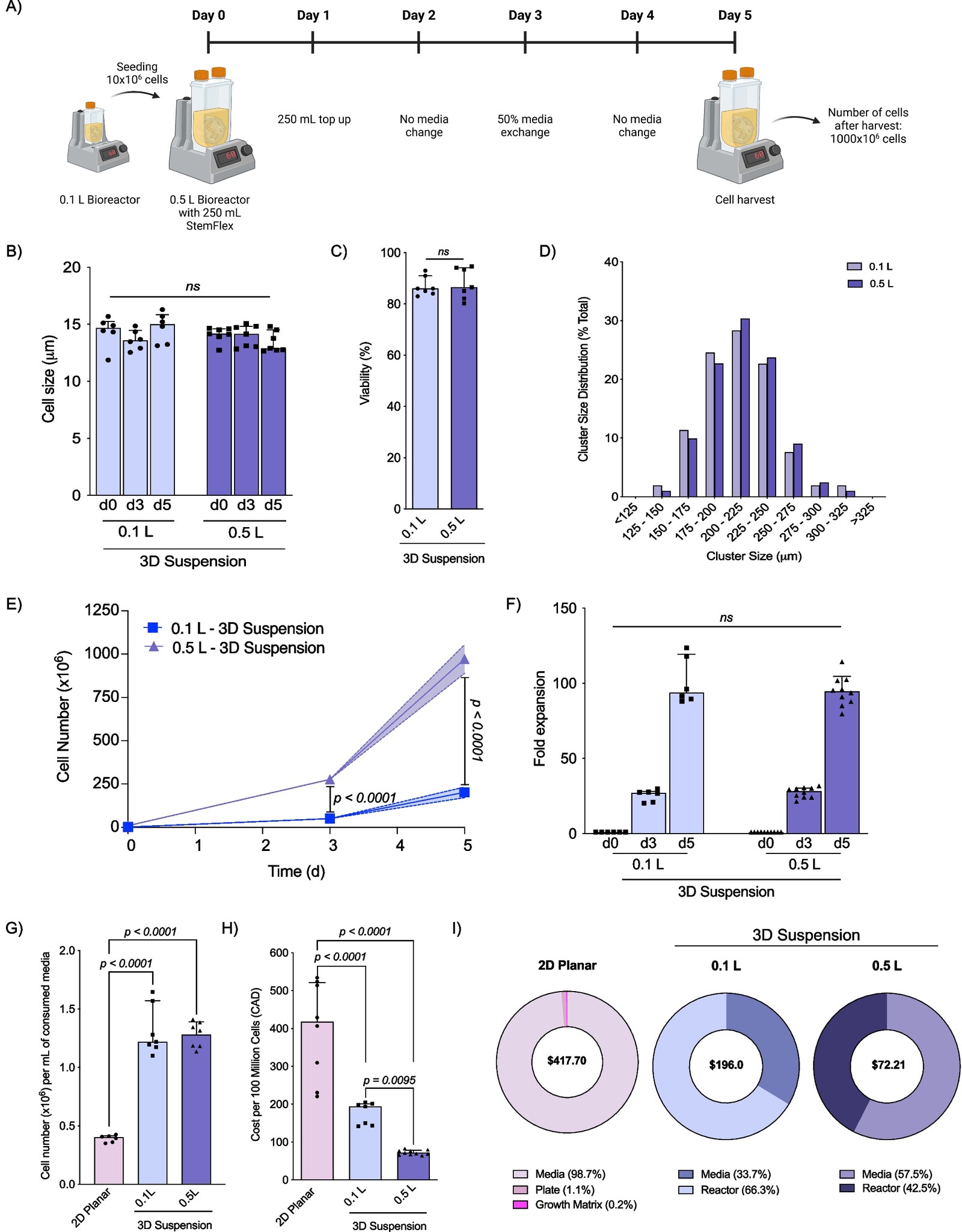
- Cuesta-Gomez et al. (2023): iPSCs expanded 93.8-fold (IQR 30.2) in 5 days in Vertical-Wheel bioreactors versus 19.1-fold (IQR 4.0) in 2D planar culture; 0.5 L Vertical-Wheel bioreactors achieved similar expansion and further reduced iPSC production cost.
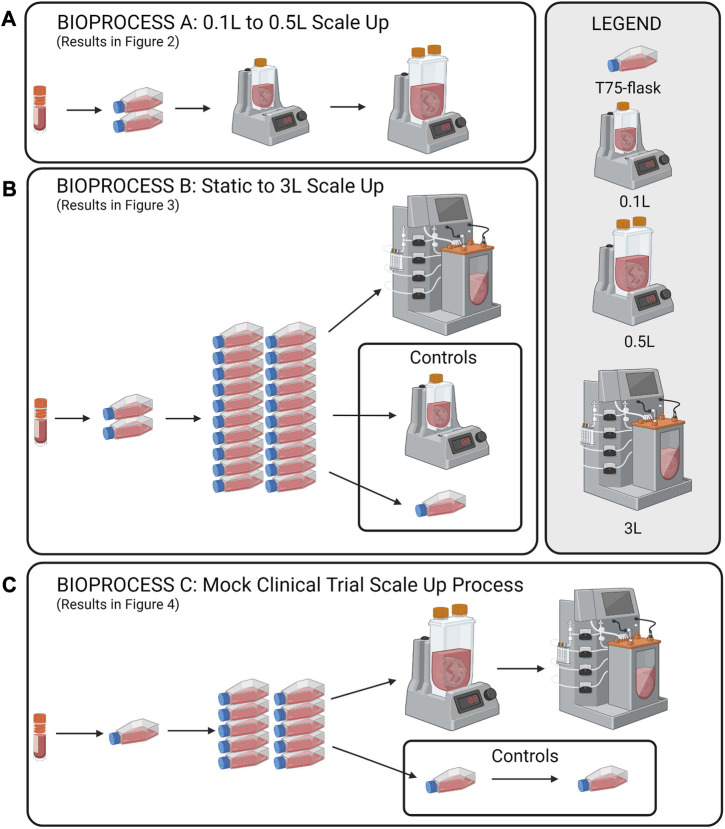
- Roberts et al. (2023): equine cord blood MSCs on microcarriers scaled from 0.1 L to 0.5 L, and directly into a 3 L computer-controlled Vertical-Wheel bioreactor, showed similar expansion across scales; the 3 L system yielded 1.5E9 harvested cells, and cell phenotype and function were maintained after scale-up.
The manufacturer's positioning of MiniPRO follows from this evidence: purpose-built for cell therapies and proven to maintain cell homogeneity, phenotype and potency. Another 2026 poster summary describes thawing high-density working cell banks directly into a parallel Vertical-Wheel scale-down platform; post-thaw cultures showed reproducible growth, maintained OCT4 expression, normal karyotype and functional pluripotency, and the cells were then directed toward definitive endoderm, cardiac, and endocrine or islet-like lineages.
Where it fits and how to choose
PBS Biotech's application resources cover pluripotent stem cells, mesenchymal stem cells, islets, NK cells, T cells, extracellular vesicles and organoids. By process stage, the choice looks like this:
| Your need | Suggested PBS Vertical-Wheel format | Why |
|---|---|---|
| Feasibility of a single condition, working out inoculation and dissociation methods | PBS-Mini 0.1 (60–100 mL) | Smallest volume, same Vertical-Wheel geometry |
| Multifactor screening, DoE, serial passaging of several cell lines or media, scale-down models that need DO control and perfusion | MiniPRO (0.3–0.5 L per vessel, up to 24 vessels) | Parallel runs, independent per-vessel control, closed perfusion and sampling |
| Pilot and clinical batches | PBS-3, PBS-15 | Agitation converted from small-scale conditions using energy-dissipation correlations |
| Commercial manufacturing | PBS-80 | The same Vertical-Wheel geometry extended to 80 L |
Two points to keep in view: up to 2x more viable cells per batch is a manufacturer figure, with an uncontrolled 0.5 L incubator condition as the comparator; the peer-reviewed shear, oxygen-transfer and expansion data cited here come from PBS-Mini and PBS-3/15/80 vessels with the same Vertical-Wheel geometry, not from MiniPRO itself, and serve to show the hydrodynamic and scale-up basis of this impeller platform.
Let TechWave help you put MiniPRO where it matters in process development
From a single controller with four vessels to a full 24-vessel parallel set-up, MiniPRO compresses condition screening that once took several sequential rounds into one batch, and brings production-grade variables such as dissolved oxygen, pH and perfusion into small-scale work from the start. TechWave can help you plan the combination of MiniPRO with PBS-Mini and PBS-3/15/80, map out your DoE screening matrix and scale-up path, and provide technical documentation, sample consultations and quotations for PBS Biotech Vertical-Wheel bioreactors. Contact the TechWave technical team and tell us your cell type and target scale.
References
- PBS Biotech. PBS Biotech Unveils a Breakthrough Product for Cell Therapy Process Development at ISSCR, Boston. PR Newswire, 2025-12-02.
- PBS Biotech. PBS MiniPRO product information. https://www.pbsbiotech.com/pbs-minipro
- PBS Biotech. MiniPRO Vertical-Wheel Bioreactor System as an Efficient Scale-Down Model for iPSC Process Development, Enabling Process Control, Perfusion Culture, and Closed Operation. ISSCR 2026 poster summary.
- PBS Biotech. Optimizing Closed-System iPSC Processes Using a Scaled-Down, Computer-Controlled Parallel Bioreactor Platform. 2026 poster summary.
- PBS Biotech. Enabling Robust and Efficient iPSC Expansion and Differentiation Processes Using High-Density Cell Banking Approaches and a Scaled-Down Computer-Controlled Parallel Vertical-Wheel Bioreactor System. ISCT 2026 poster summary.
- Dang T, Borys BS, Kanwar S, et al. Computational fluid dynamic characterization of vertical-wheel bioreactors used for effective scale-up of human induced pluripotent stem cell aggregate culture. Can J Chem Eng. 2021;99:2536–2553. doi:10.1002/cjce.24253
- Borys BS, Dang T, So T, et al. Overcoming bioprocess bottlenecks in the large-scale expansion of high-quality hiPSC aggregates in vertical-wheel stirred suspension bioreactors. Stem Cell Res Ther. 2021;12:55. doi:10.1186/s13287-020-02109-4
- Neto PM, Nogueira DES, Hashimura Y, et al. Characterization of the Aeration and Hydrodynamics in Vertical-Wheel™ Bioreactors. Bioengineering. 2022;9:386. doi:10.3390/bioengineering9080386
- Lee B, Borys BS, Kallos MS, et al. Challenges and Solutions for Commercial Scale Manufacturing of Allogeneic Pluripotent Stem Cell Products. Bioengineering. 2020;7:31. doi:10.3390/bioengineering7020031
- Kim J, Agbojo O, Jung S, et al. Measurement of Oxygen Transfer Rate and Specific Oxygen Uptake Rate of h-iPSC Aggregates in Vertical Wheel Bioreactors to Predict Maximum Cell Density Before Oxygen Limitation. Bioengineering. 2025;12:332. doi:10.3390/bioengineering12040332
- Borys BS, Dang T, Worden H, et al. Robust bioprocess design and evaluation of commercial media for the serial expansion of human induced pluripotent stem cell aggregate cultures in vertical-wheel bioreactors. Stem Cell Res Ther. 2024;15:232. doi:10.1186/s13287-024-03819-9
- Yehya H, Raudins S, Padmanabhan R, et al. Addressing bioreactor hiPSC aggregate stability, maintenance and scaleup challenges using a design of experiment approach. Stem Cell Res Ther. 2024;15:191. doi:10.1186/s13287-024-03802-4
- Cuesta-Gomez N, Verhoeff K, Dadheech N, et al. Suspension culture improves iPSC expansion and pluripotency phenotype. Stem Cell Res Ther. 2023;14:154. doi:10.1186/s13287-023-03382-9
- Roberts EL, Abraham BD, Dang T, et al. Computer controlled expansion of equine cord blood mesenchymal stromal cells on microcarriers in 3 L vertical-wheel® bioreactors. Front Bioeng Biotechnol. 2023;11:1250077. doi:10.3389/fbioe.2023.1250077
Uses and applicable scenarios
- Parallel condition screening and scale-down modelling for iPSC/hESC aggregate expansion
- Small-volume process development for MSC (including microcarrier processes) and MSC-EV
- Optimizing activation and expansion conditions for immune cells such as CAR-T and CAR-NK
- Dynamic culture and differentiation of islet, neural and other organoids
- DoE screening of media, seeding density, agitation and perfusion strategy, and technology transfer to 3 L and larger scales
Limitations
- Up to 2x more viable cells per batch is a manufacturer figure; the comparator is an uncontrolled 0.5 L incubator condition
- The peer-reviewed shear, oxygen-transfer and expansion data cited here come from PBS-Mini 0.1/0.5 L and PBS-3/15/80 vessels with the same Vertical-Wheel geometry, not from MiniPRO itself
Frequently asked questions
How many vessels can PBS MiniPRO run in parallel, and can each one be controlled separately?
One controller connects up to 6 housing units of 4 vessels each, for up to 24 single-use 0.5 L vessels. Every vessel has its own optical pH and dissolved-oxygen sensors, temperature control and recipe, so vessels can run different conditions or the same protocol in sync. That lets multi-factor screens and DoE designs be compared within one batch.
Can conditions found in MiniPRO vessels be transferred to 3 L, 15 L or 80 L production bioreactors?
Yes, by converting operating parameters with correlations rather than scaling by volume. MiniPRO shares the same Vertical-Wheel geometry as PBS-3, PBS-15 and PBS-80, and the manufacturer states the fluid dynamics and performance match; the CFD work of Dang et al. (2021) across four scales from 0.1 to 15 L provides scale-up correlations for converting agitation rates between scales. The manufacturer's poster summaries report similar growth rates, aggregate-size distributions and metabolic profiles between the scale-down system and 3 L cultures when agitation is chosen by energy dissipation correlations.
What is the "up to 2x more viable cells per batch" claim compared against?
It is manufacturer data, and the comparator is a 0.5 L condition in an incubator without dissolved-oxygen control. The manufacturer's poster summary showed that controlling DO at 50% gave a higher final cell yield than that comparator, and controlled oxygen supply reduced the oxygen limitation seen in incubator-run vessels. Read it as a comparison with small vessels relying on passive incubator gas exchange.
Why do small-volume suspension cultures in an incubator often plateau in yield?
Oxygen is the main limit: small vessels in an incubator rely on passive headspace gas exchange, so once cell density rises, oxygen consumption outpaces supply, DO falls and growth slows early. MiniPRO integrates gassing and closed-loop DO control in every vessel to hold DO at the set point. Small-scale work can then optimise DO as a controlled variable, closer to how production vessels actively control oxygen.
Were the low-shear and expansion data cited in the article measured on MiniPRO?
No. The peer-reviewed shear, oxygen-transfer and expansion data come from PBS-Mini 0.1/0.5 L and PBS-3/15/80 vessels that share the same Vertical-Wheel geometry, and they explain the hydrodynamic and scale-up basis of the impeller platform. Evidence on MiniPRO itself comes from the manufacturer's press release, product information and 2026 poster summaries.