
Technical column
After FDA moves to cut non-human-primate testing for antibodies: turning organ chips from showcase technology into decision evidence — selecting CN Bio, InSphero, NETRI, AKITA and Beonchip platforms with matching cells, matrices and storage
In January 2026, FDA Commissioner Marty Makary used an All-In Podcast interview to criticise the species gap in animal testing and said that monoclonal-antibody drugs no longer need to submit chimpanzee and non-human-primate study data; on 2 December 2025 FDA had already issued draft guidance on reducing non-human-primate testing for monoclonal antibodies. The policy window is open. What decides where development budgets go is whether a team can turn organ chips into decision-grade evidence: define the context of use, choose a CN Bio, InSphero, NETRI, AKITA or Beonchip platform from the biological question, and complete it with LifeNet Health, Altis and Epithelix primary cells, AXOL iPSC-derived cells and Qkine differentiation factors, BioLamina matrices, Nordmark collagenase and Atelerix gel for non-frozen storage and transport of up to 2 weeks.
Definition
New Approach Methodologies (NAMs) are nontraditional methods — including organ chips, 3D microtissues, primary cells and iPSC-derived models — used to generate human-relevant mechanistic, safety or disposition evidence; their evidential value depends on a defined context of use, predefined acceptance criteria and traceable qualification data.
A policy change reshapes development budgets not on the day of the press release, but on the day a team can translate “reduce animal testing” into models, endpoints and acceptance criteria. An organ chip that only produces attractive tissue images never reaches candidate elimination, dose selection or safety decisions. Built into an evidence chain around a defined context of use, it becomes a decision tool that saves you time and animal studies.
That window is now open.
The policy signal: FDA puts human-relevant evidence centre stage
On 16 January 2026, at the J.P. Morgan Healthcare Conference, FDA Commissioner Marty Makary gave an interview to the All-In Podcast. In the hour-and-a-half conversation he set out six changes he is driving in the healthcare system and openly criticised the species-difference gap in traditional animal testing. Makary said on the spot: “Monoclonal-antibody drugs no longer need to submit chimpanzee and non-human-primate study data.”
The source material puts the stakes in numbers: more than 100 million animals worldwide are sacrificed every year in research that does not work out, and drug programmes that take more than ten years and billions of dollars often fail because animal responses do not match human ones. On the legislative side, the U.S. Senate has passed the FDA Modernization Act 3.0[1].
The corresponding formal document is FDA's draft guidance of 2 December 2025 on reducing non-human-primate testing for monoclonal antibodies[2], which concerns reducing or eliminating certain six-month non-human-primate toxicity studies for specific monoclonal-antibody product types. It is draft guidance — not a blanket exemption for every antibody and not a product approval. Development teams still need to show why a model fits the question, how it performs and how its results connect to other evidence.
The move is not an isolated one. According to Makary in the interview, it is one of 42 major reforms he has driven in his first 10 months in office: from streamlining clinical trials to introducing AI monitoring, the reforms revolve around “efficiency plus humanity”. Pushing organ chips is meant to rebuild the logic of drug-safety testing, break down vested interests in the healthcare system and speed curative therapies to patients, so that they benefit sooner from frontier science.
Define the context of use before the platform
The same organ model can serve early mechanism research, candidate ranking, hazard identification or regulatory discussion, but each goal demands a very different level of qualification. Write down the modality, target tissue, exposure route, decision threshold and cost of error at the start: screening models prize throughput and discrimination; submission-oriented evidence also needs reproducibility, inter-laboratory transfer, predefined acceptance criteria and full data traceability.
An auditable qualification package covers at least:
- Cell identity and function, with positive and negative controls;
- Concentration–time response and confirmation of exposure;
- Reproducibility and batch-to-batch and donor-to-donor variation;
- Analytical performance of key endpoints and failure criteria.
Retrospective comparison with known clinical or animal outcomes establishes correlation; prospective qualification is what brings a model into decisions. Get this step right and NAMs deliver more than “fewer animals”: fewer low-information experiments, shorter iteration cycles and earlier human-specific mechanistic signals.
Organ-chip platforms: choose by biological question
Perfusion platforms excel at shear stress, repeated exposure and multi-organ connection; high-throughput 3D platforms suit parallel screening; neuro-specific chips target neural and electrophysiological endpoints. Work backwards from the biological question instead of forcing a device's features onto the project.
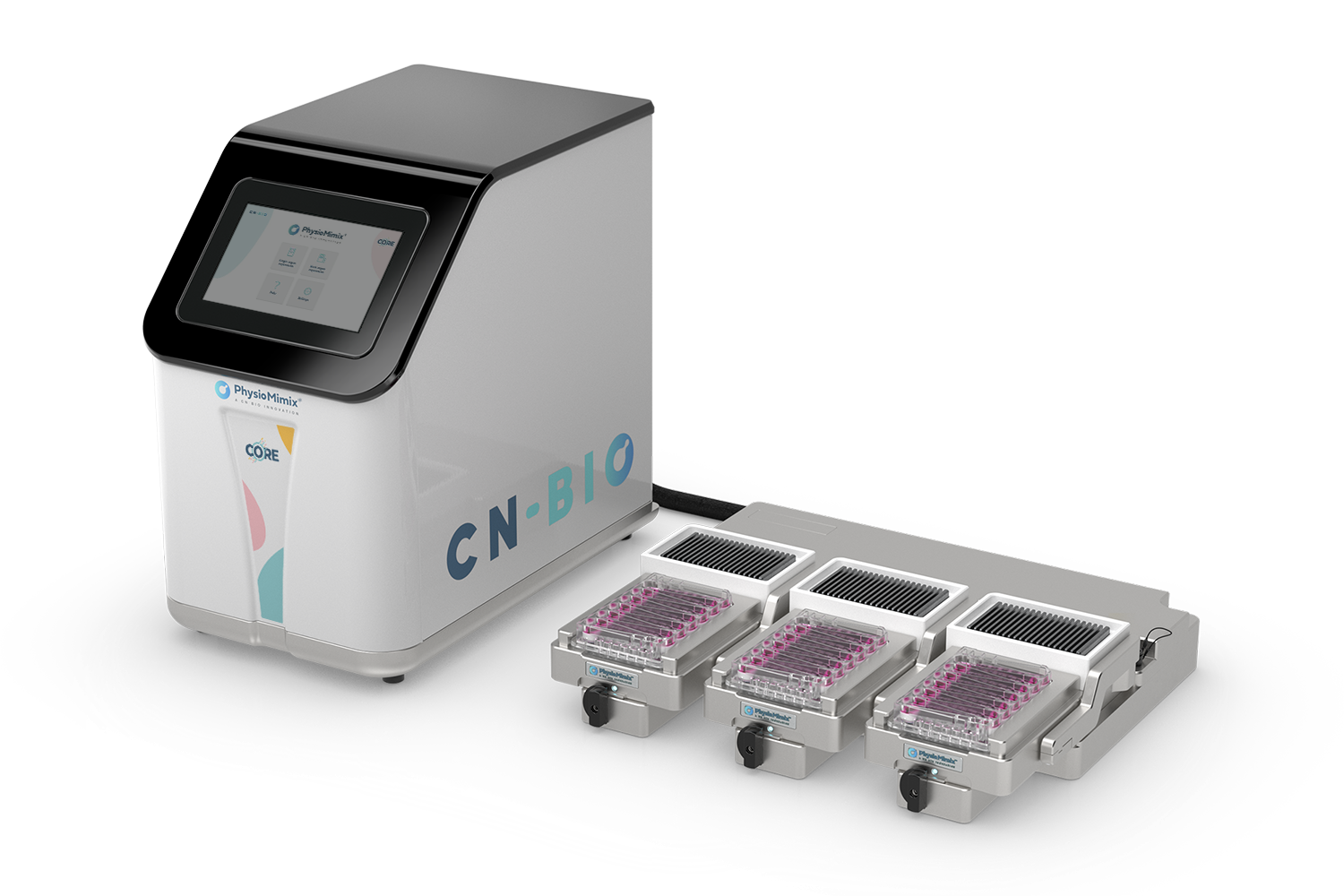
Figure 1. CN Bio PhysioMimix CORE and culture modules for perfused organ models.
CN Bio: a high-fidelity organ-on-chip system whose perfused culture supports organ models closer to human physiology, suited to safety studies that need repeated dosing, long-term culture and mechanistic analysis.
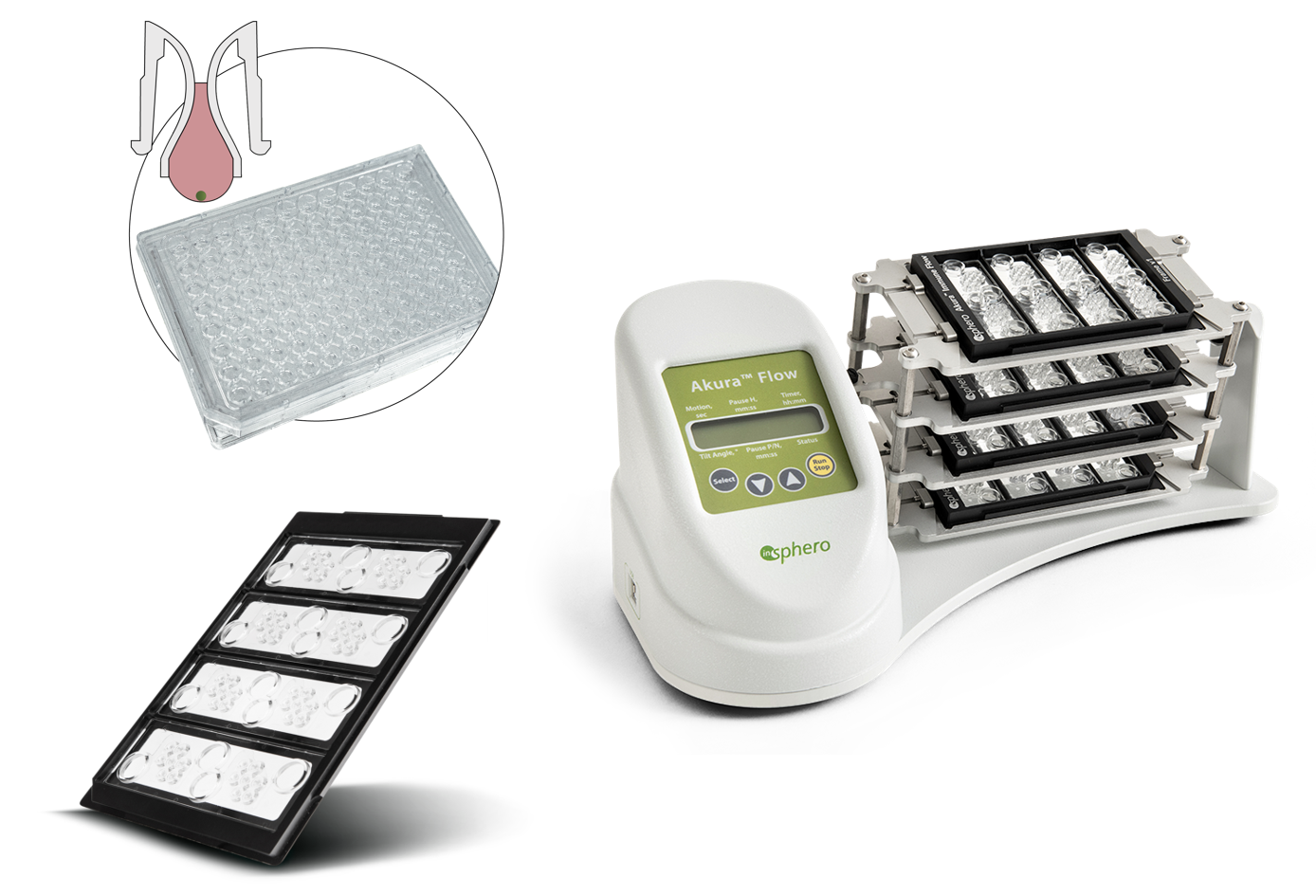
Figure 2. InSphero Akura Flow and 3D microtissue culture consumables.
InSphero: multi-organ immune co-culture chips and 3D culture tools built on 3D microtissues, suited to bringing immune components and multi-organ interactions into the assessment.
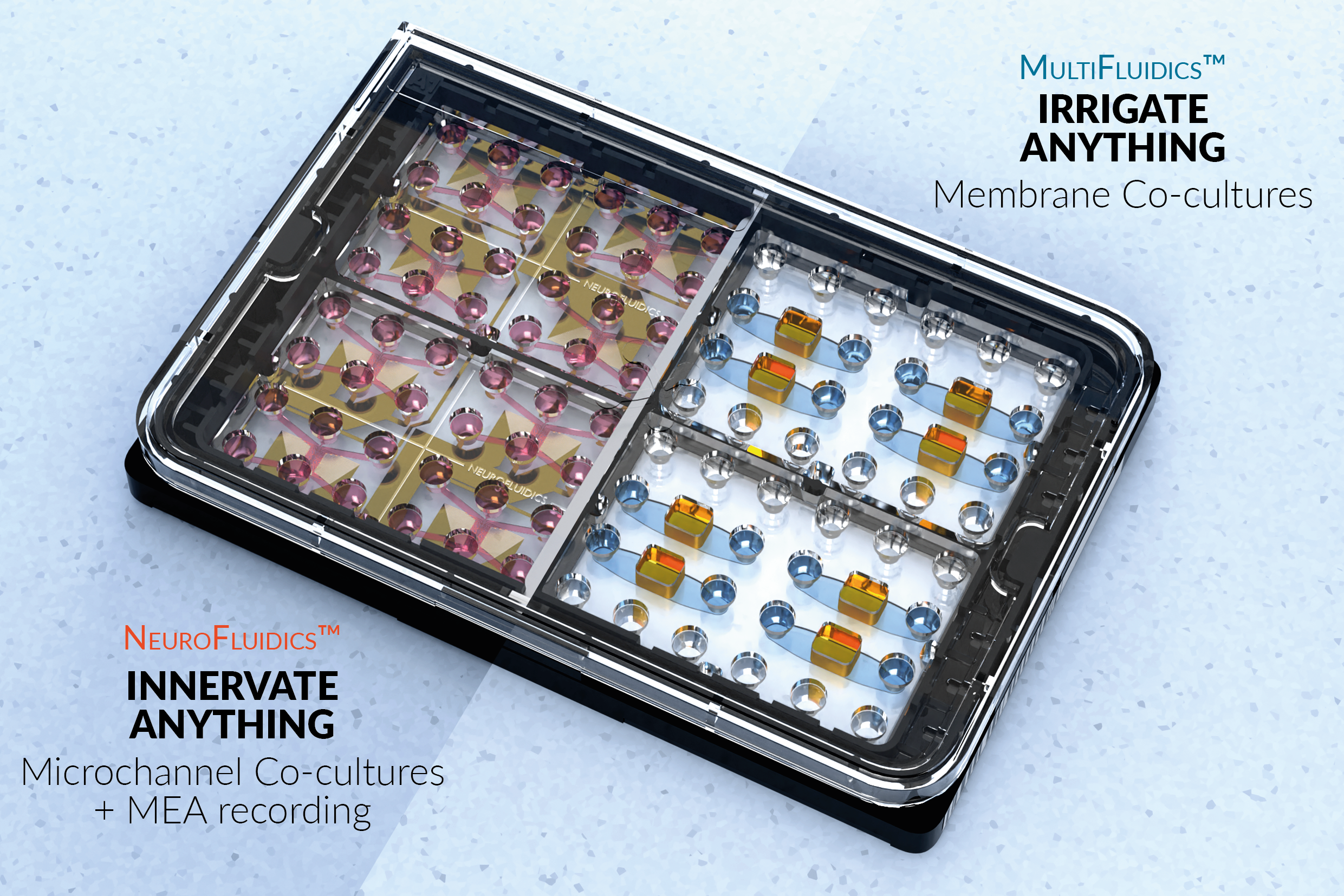
Figure 3. NETRI microfluidic co-culture formats, including membranes, microchannels and MEA interfaces.
NETRI: neuro chips that organise neural co-culture through membranes, microchannels and MEA interfaces for readouts of neural structure and electrical activity.
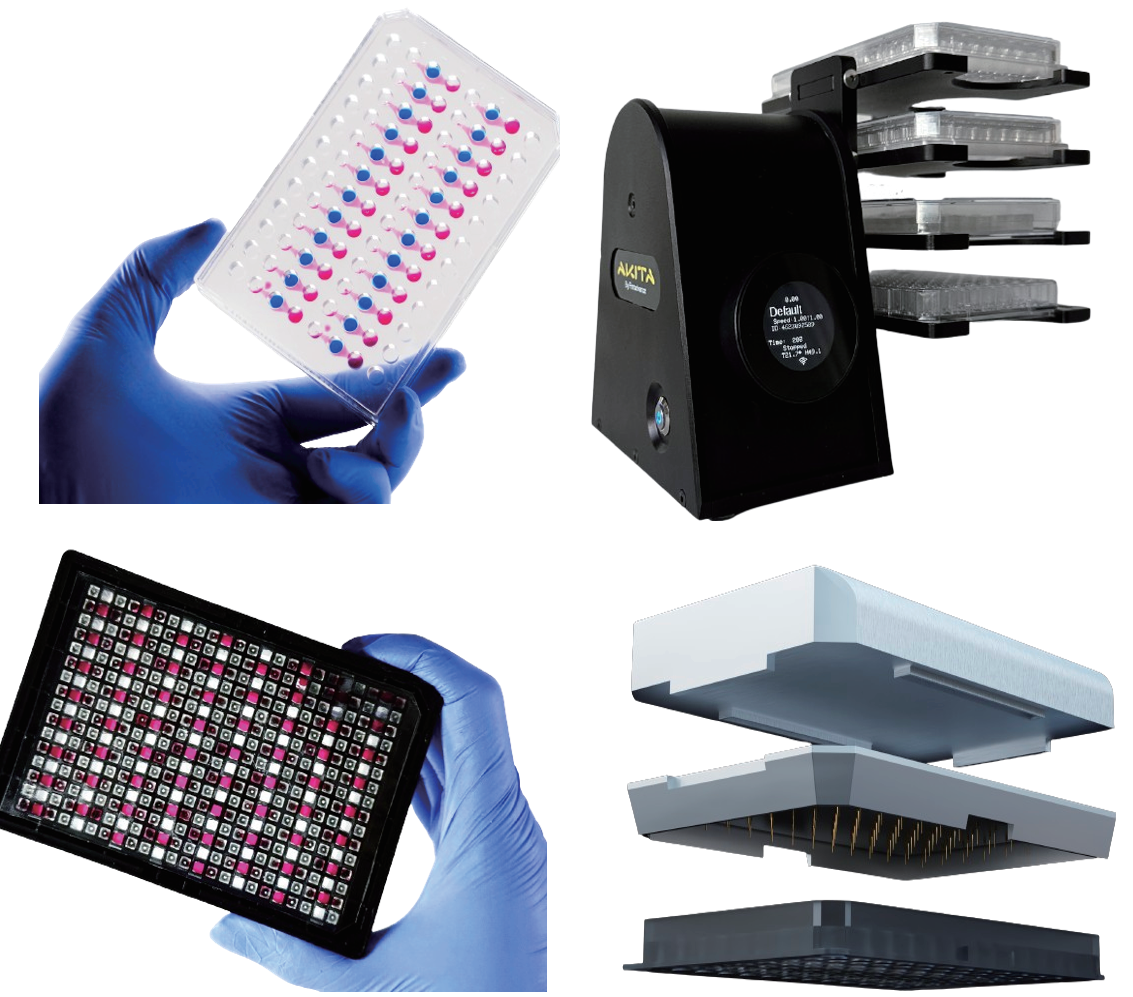
Figure 4. AKITA platform and multiwell microfluidic culture formats.
AKITA: a high-throughput organ-on-chip system whose multiwell microfluidic format lets more conditions be compared in parallel in one experiment.
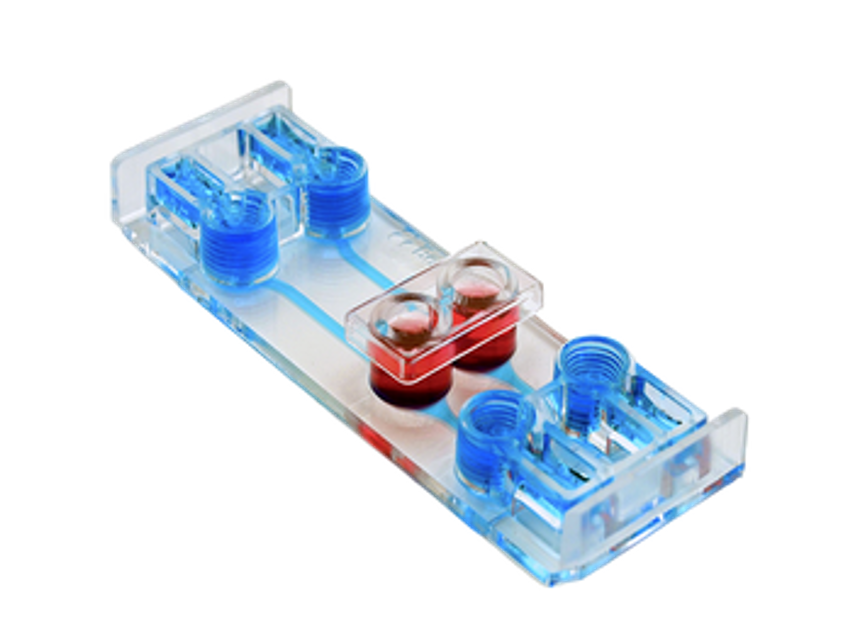
Figure 5. Beonchip microfluidic culture devices.
Beonchip: highly flexible, easy-to-use microfluidic chips that can be configured to the needs of the experiment.
Cells, matrices and consumables: what makes a model hold up
The platform is only the skeleton; cell source, matrix and storage determine a model's biological credibility. The source material groups the cells, reagents and consumables for organ chips into five classes:
- Validated imported human primary cells: liver (LifeNet Health), intestine (Altis) and lung (Epithelix SàRL), giving the model a mature tissue-function background.
- iPSC-derived cells: neurons and ventricular cardiomyocytes (AXOL); other routine models can be cultured with differentiation factors from UK-based Qkine, which makes it easier to design the genetic background and control the differentiation route.
- Coating matrices for organoids and organ chips: BioLamina matrices are recombinantly produced, chemically defined and free of animal-derived components, and efficiently support culture of liver, neural, pancreatic and cardiac cells and organoid differentiation.
- Nordmark collagenase: an option for isolating highly viable primary cells from tissue, suitable for primary-cell isolation and tissue dissociation from human and rodent (e.g. mouse) liver, skin, stomach, lung, kidney and other tissues.
- Atelerix ambient-temperature storage gel: for fresh cells, iPSC-derived cell models, organoids and more, with no freezing and storage and transport of up to 2 weeks; according to Atelerix, it is thoroughly validated and easy to use, and especially suited to shipping precious models from one laboratory to another without freezing.
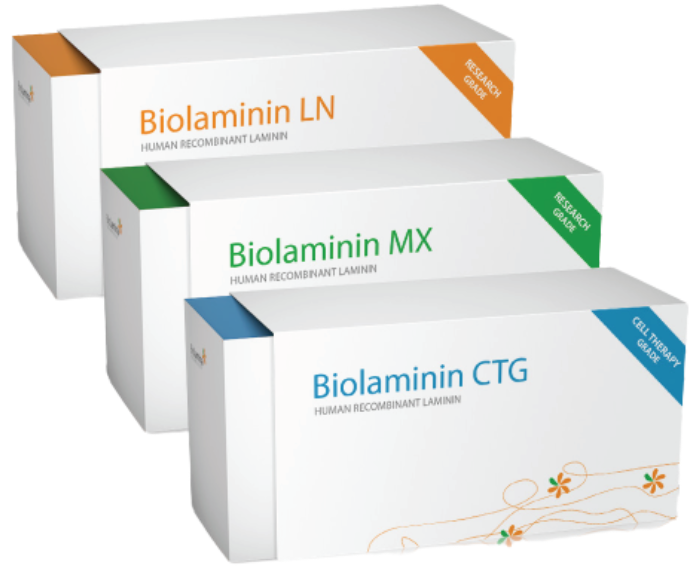
Figure 6. BioLamina Biolaminin LN, MX and CTG packaging; grade labels do not mean suitability for every model.
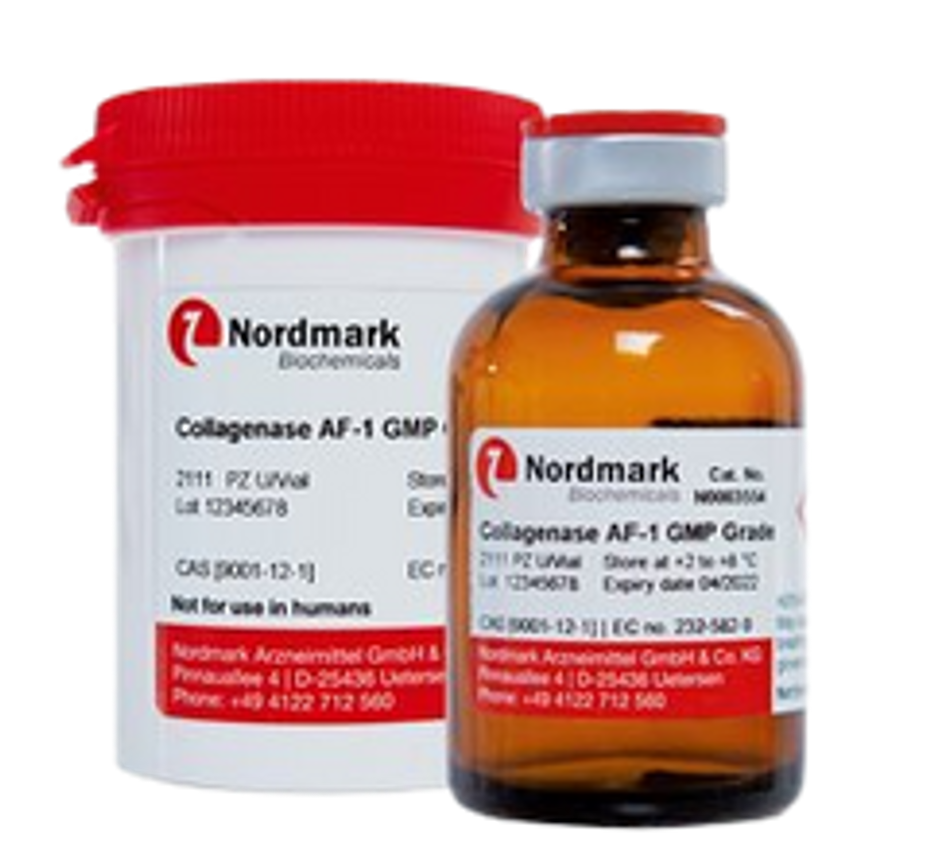
Figure 7. Nordmark collagenase products for tissue dissociation; suitability depends on tissue type and downstream endpoint.
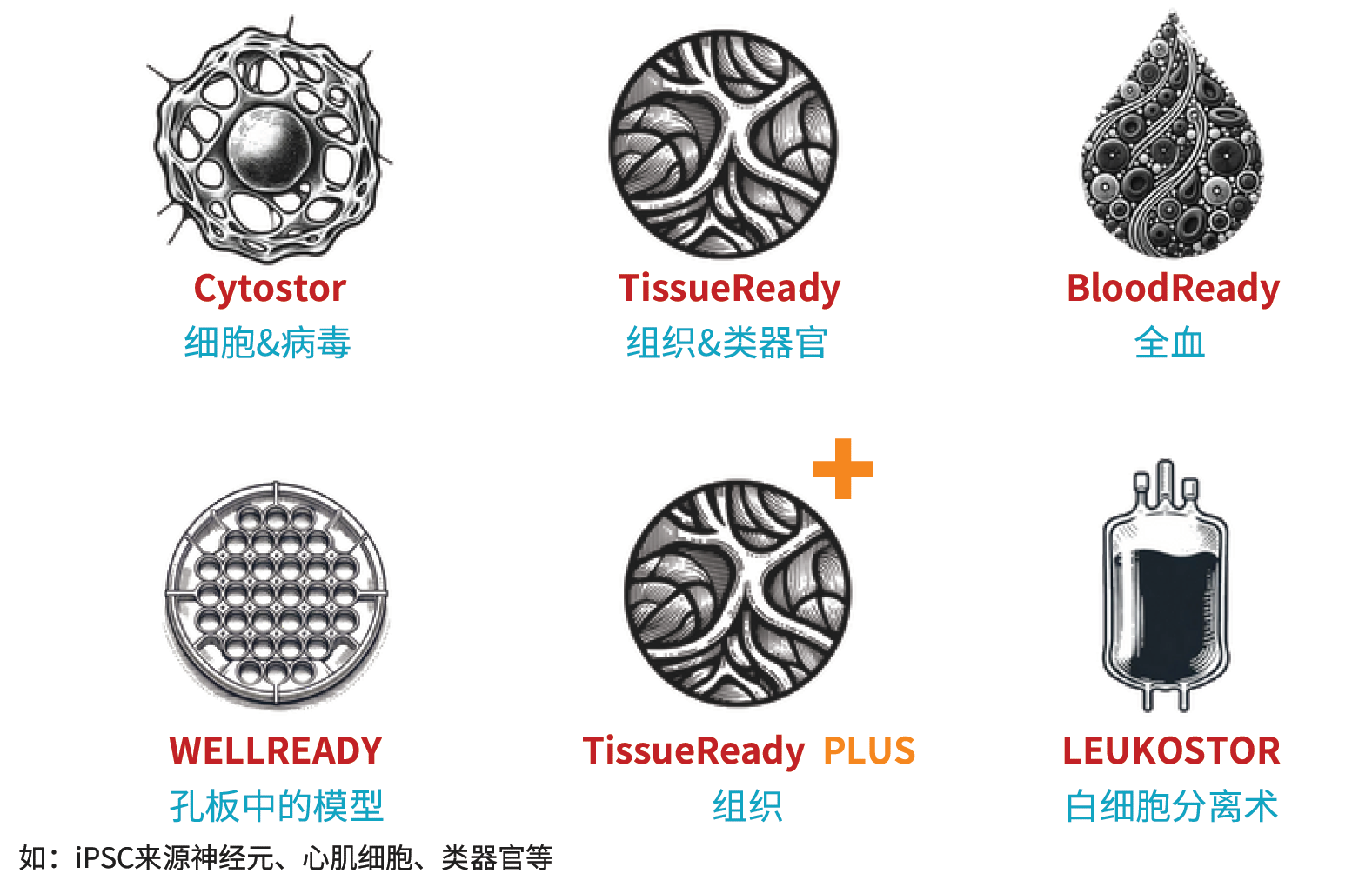
Figure 8. Atelerix storage formats for cells, tissues, organoids, whole blood and leukocyte-isolation material; storage performance should be qualified for each model.
Where it fits and how to choose
- Put efficiency gains and risk in the same calculation: plates, cell and assay costs, development time, the value of eliminating candidates and the risk of a wrong decision — not just the price per well.
- A model without a defined context of use is easily over-extrapolated; the platforms and materials above solve different problems and are not interchangeable, and storage time, model compatibility and current specifications are confirmed product by product.
- A clear question and clear acceptance criteria usually speed decisions more than chasing the “most advanced” platform.
Industry impact: organ chips enter scaled use
This round of FDA policy will accelerate the scaled adoption of organ chips. In the view of the source material, Makary has brought a humane dimension to drug development with technology, and this organ-chip-centred change is not only an ethical upgrade for the industry but also signals a new era of pharmaceutical R&D. For development teams, whoever first turns organ chips into auditable evidence is first to capture this round of efficiency gains.
Let TechWave help you put NAMs to work on real projects
If you are evaluating organ chips or 3D models to replace or complement some animal studies, contact TechWave. We can help map platforms such as CN Bio, InSphero, NETRI, AKITA and Beonchip, and cells and materials from LifeNet Health, Altis, Epithelix, AXOL, Qkine, BioLamina, Nordmark and Atelerix, onto your specific development questions, plan a selection path from small-scale feasibility to a project-level evidence package, and provide technical consultation and quotations.
Reference links
- Animal Wellness Action. U.S. Senate Passes FDA Modernization Act 3.0. https://animalwellnessaction.org/u-s-senate-passes-fda-modernization-act/
- U.S. FDA press announcement: draft guidance on reducing testing on non-human primates for monoclonal antibodies (2 December 2025). https://www.fda.gov/news-events/press-announcements/fda-releases-draft-guidance-reducing-testing-non-human-primates-monoclonal-antibodies
Uses and applicable scenarios
- Safety strategy and nonclinical evidence planning for antibodies and other candidates
- Selection of organ-chip and 3D microtissue platforms
- Matching primary cells, iPSC-derived cells, matrices and tissue-dissociation materials
- Non-frozen storage and inter-laboratory transport of organ models
Limitations
- The interview statement and the draft guidance are not a blanket waiver for every antibody or every animal study, and do not mean any organ chip has regulatory acceptance
- A model must be qualified for a defined context of use; different modalities and regulatory questions need different evidence packages
- Storage time, model compatibility and current specifications of each product follow the manufacturer's latest information