
Technical column
Same Neural Differentiation Protocol, Yet Others Succeed First Time While You Keep Repeating? Take the Variables Out of the Culture System: HiDef N-2, a Defined, Animal-Origin-Free Neural Culture Supplement
When neural differentiation results are unstable, the culture system itself is often overlooked alongside cell state and handling. N-2 derives from Bottenstein's classic serum-free neural culture formulation and consists of five components (insulin, transferrin, sodium selenite, putrescine and progesterone); it can suppress astrocyte proliferation and enrich neurons. Defined Bioscience's HiDef N-2 is designed to be defined, animal-origin-free and batch-consistent, and can be combined with HiDefB8 stem cell medium, Ready-CEPT viability supplement, HiDef ITS and Qkine neurotrophic factors into a defined workflow from PSC maintenance to neural maturation.
Definition
N-2 is a chemically defined supplement derived from Bottenstein's serum-free neural culture formulation, consisting of insulin, transferrin, sodium selenite, putrescine and progesterone, used to support culture of neurons and neural progenitor cells and neural differentiation of pluripotent stem cells.
You follow the literature exactly, yet the results will not reproduce. The same batch of iPSCs differentiates differently at different times. Organoid size, morphology and maturity fluctuate widely. Consistency across batches is poor, so every experiment has to be repeated to confirm it.
When results fluctuate, we usually suspect cell state, handling, growth-factor activity and culture conditions first. One factor is often overlooked: the culture system itself.
Why Reproducibility Increasingly Depends on Defined Culture Systems
Drug development is adopting more human-relevant research models, including organoids, organ-on-a-chip, microphysiological systems (MPS) and iPSC-derived models. In documents on New Approach Methodologies (NAMs), the US FDA emphasizes that such models should show good biological relevance, technical characterization and reproducibility; the FDA Modernization Act 3.0 legislative initiative is part of the policy background driving this direction.
Against this trend, culture systems are shifting from "keeping cells alive" to "supporting standardized, reproducible, verifiable human models". Whether a medium supplement is defined, animal origin free and batch-consistent is becoming a key selection criterion for more and more research teams.
N-2: The Core Supplement of Neural Culture Systems
N-2 derives from Bottenstein's classic serum-free neural culture formulation and is a chemically defined additive. Its composition is lean; under suitable neural culture conditions it suppresses astrocyte proliferation, enriches neurons and avoids the batch variation and unknown factors that come with fetal bovine serum. Common uses include primary neurons, neural cell lines, iPSC-derived neurons, neural stem cell differentiation, and building neural organ-on-chip and blood–brain barrier models.
N-2 has been used for many years, but as neural culture models grow more complex, researchers ask more of it: Is the formulation fully defined? Does it contain animal-derived components? How consistent is it between batches? Has it been validated on many PSC lines? This is the background to Defined Bioscience's development of HiDef N-2.
HiDef N-2: Designed for Standardized Neural Culture
According to Defined Bioscience, HiDef N-2 is a defined formulation designed for culturing and growing many cell types, including neurons, neural progenitor cells (NPCs), stem cells and neuroblastoma (NB) cells, and can be used to induce differentiation of embryonic stem cells and induced pluripotent stem cells into neural and pancreatic lineages.
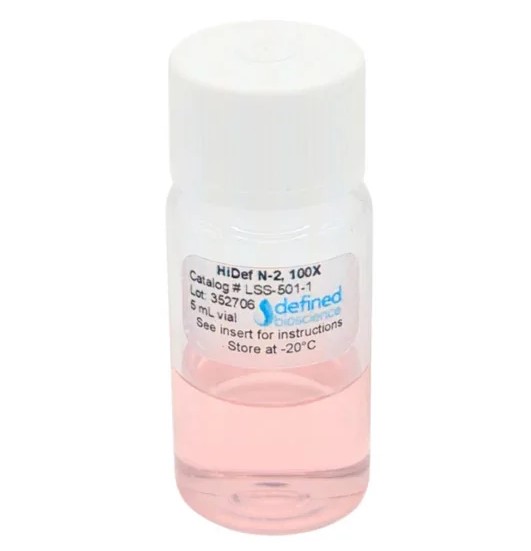
Figure 1. HiDef N-2 neural culture medium supplement
Each of the five components of HiDef N-2 has its own role:
- Insulin: stimulates glucose uptake;
- Transferrin: promotes iron transport;
- Sodium selenite: an antioxidant and common medium component;
- Putrescine: supports cell growth;
- Progesterone: promotes growth and neuronal differentiation.
Historical research suggests that N-2 can improve the survival and expression levels of neuronal cells, including primary cultured neurons, and is an effective replacement for the N-1 Bottenstein formulation.
The design of HiDef N-2 aligns with the direction of NAMs. According to the source material, the FDA's NAMs draft emphasizes that research models should have:
- A defined and traceable culture system (Defined System);
- Good technical characterization (Technical Characterization);
- Reproducibility;
- Higher relevance to human biology (Human Relevance).
A fully defined, animal-origin-free, batch-consistent design lays a foundation for building more stable human neural models. Typical applications of HiDef N-2 include:
- Neural cell culture;
- Growth and differentiation of neural organoids;
- Differentiation of pluripotent stem cells into neural cells;
- Neural stem cell research, among others.
From Stem Cell Maintenance to Neural Maturation: A Complete Defined Workflow
According to Defined Bioscience, the company draws on and refines published formulations, developing reagents, media and protocols of high quality from traditional recipes to improve the culture quality of stem cells, iPSC-derived cells, organoids and their applications while lowering cost. If you want a more standardized culture system, these products can be combined:
- HiDefB8 stem cell medium: a complete, serum-free, defined formulation for maintaining and expanding human pluripotent stem cells (PSCs) in the undifferentiated state, without feeder layers.
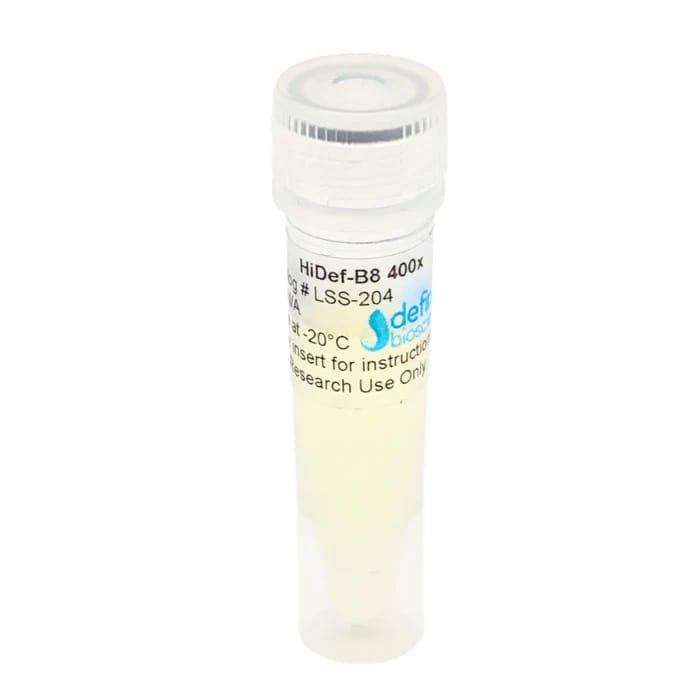
Figure 2. HiDefB8 stem cell medium
- Ready-CEPT cell viability supplement: the Ready-CEPT 1000x mix is a defined formulation that improves stem cell survival and growth during routine passaging, cryopreservation and post-thaw recovery.
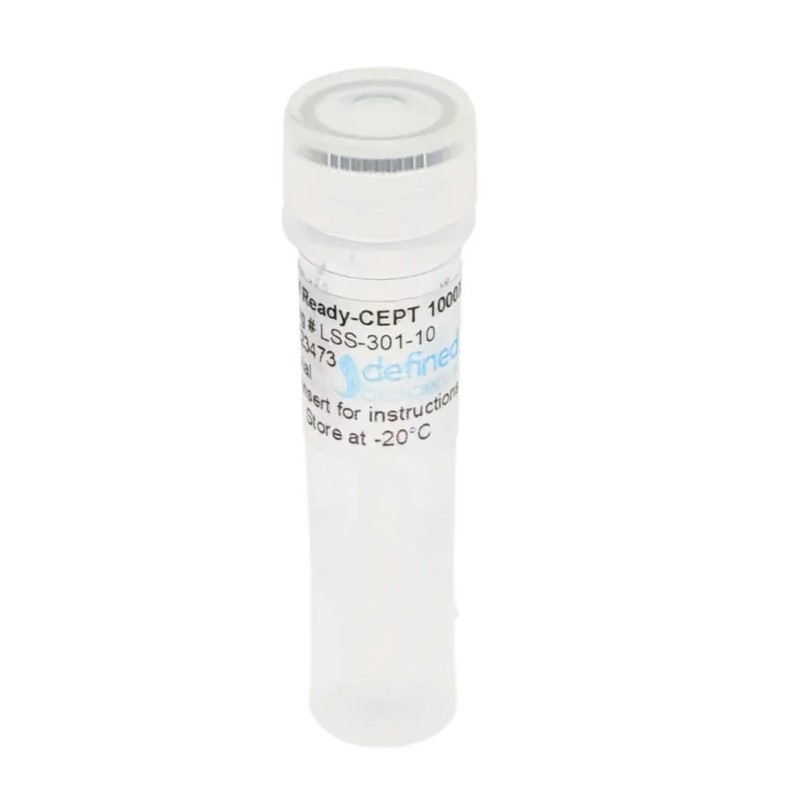
Figure 3. Ready-CEPT cell viability supplement
- HiDef ITS cell culture supplement: a specific formulation for cell maintenance under low-serum conditions and routine culture of low-density adherent cells.
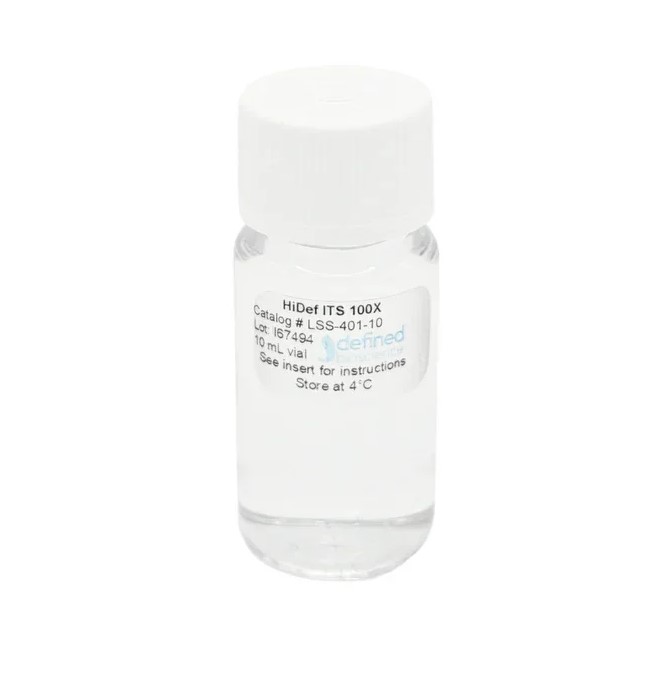
Figure 4. HiDef ITS cell culture supplement
- Qkine neurotrophic factors: a series of factors covering neural induction and maintenance, differentiation and maturation, and glial cell differentiation and maturation.
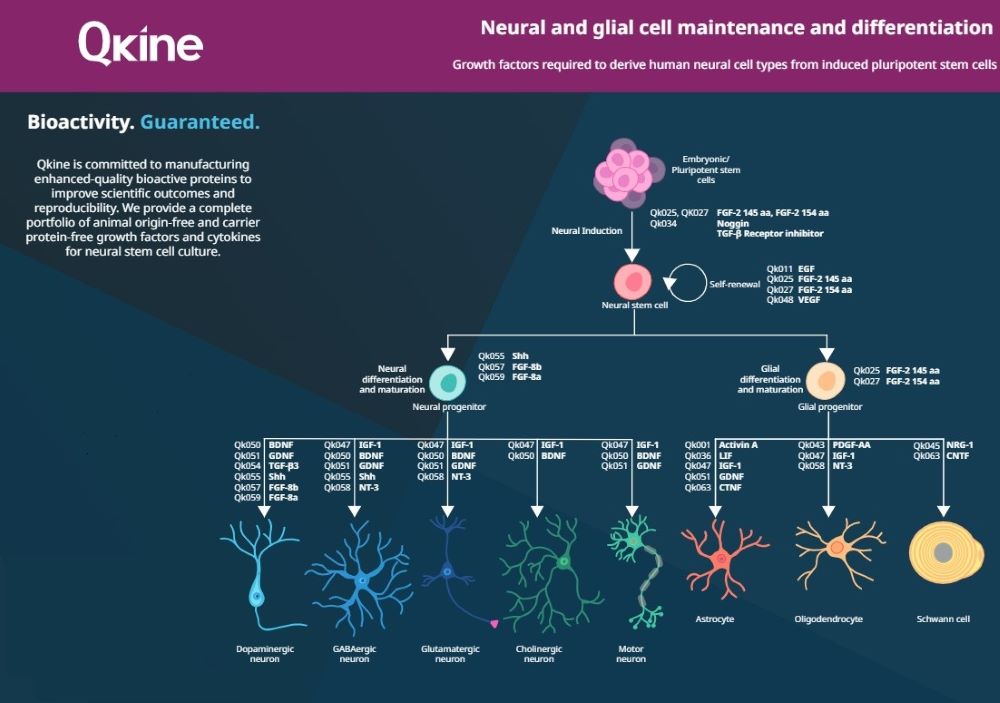
Figure 5. Qkine growth factors for neuronal and glial maintenance, differentiation and maturation
Defined Bioscience's core values include scientific precision, goal-oriented innovation, ease of use and efficiency, and sustainability. For NAMs research in disease models, drug screening, organoid manufacturing and organ-on-chip, a complete, standardized, animal-origin-free culture workflow better supports data consistency between laboratories and downstream translation.
From "Culture Success" to "Reproducible Human Models"
As NAMs continue to develop, drug development will expect more not only of human-relevant models themselves but of the standardization of the whole culture system. For new models such as iPSCs, organoids and organ-on-chip, how defined the culture reagents are, how animal-origin risk is controlled and how consistent batches are all affect data quality and model credibility.
The Fully Defined, Animal Origin Free and Batch Consistency principles behind HiDef N-2 are not just product features; they match the direction of standardized human models and help researchers build neural culture systems that are more reliable, easier to reproduce and of greater translational value. Note that the supplement is only one culture input; starting cell state, handling and the differentiation protocol still need to be controlled together.
Figure 6. Qkine & Defined Bioscience
Let TechWave Help You Build a Defined Neural Culture Workflow
Alongside its growth factor and cytokine range, Qkine supplies Defined Bioscience animal-origin-free culture supplements. If you are working on iPSC neural differentiation, neural organoids or blood–brain barrier models and want to move to a defined, animal-origin-free culture system, contact TechWave. We can help you compare HiDef N-2, HiDefB8, Ready-CEPT, HiDef ITS and Qkine neurotrophic factors, map product combinations to target differentiation stages such as dopaminergic neurons and astrocytes, and arrange a quotation.
Uses and applicable scenarios
- Differentiation of iPSCs and embryonic stem cells into neural lineages
- Culture of neurons, neural progenitor cells (NPCs) and neuroblastoma cells
- Building neural organoids, neural organ-on-chip and blood–brain barrier models
- Setting up a defined culture workflow from PSC maintenance to neural maturation
Limitations
- A supplement cannot compensate for a poor starting cell state or handling differences
- Differentiation results depend on the complete culture workflow and growth-factor protocol
- Exact formulation, scope of use and specifications follow the product documentation